Road incidents remain a serious global concern, making reliable visual evidence increasingly valuable for everyday drivers. The World Health Organization’s Global Status Report on Road Safety 2023 estimates that approximately 1.19 million people die in road crashes each year. In the United States, the National Highway Traffic Safety Administration recorded 40,901 traffic fatalities in 2023. These figures do not make a camera a safety solution. They show why clearer incident records matter.
A 4K Car Dashcam can capture sharper number plates, lane markings, traffic signals, and vehicle movement than many basic 1080p models. However, resolution alone is not enough. Real-world performance also depends on sensor quality, HDR processing, night exposure, lens angle, heat resistance, and stable memory-card recording. The Insurance Institute for Highway Safety continues to emphasize the importance of effective crash-avoidance technology, but dashcams serve a different purpose: recording what happened before, during, and after an event. That distinction matters.
This guide compares ten leading options for global buyers, using practical criteria rather than headline specifications. We examine daytime clarity, night footage, parking monitoring, GPS accuracy, mobile connectivity, installation effort, and long-term reliability. Regional concerns also deserve attention. Power plugs, warranty coverage, cloud-service availability, privacy expectations, and local recording rules can differ considerably. A few rankings may change with firmware updates or new testing conditions. That is worth admitting. Laboratory claims do not always match a windscreen facing a hot dashboard, sudden rain, or a dark rural road. The strongest choice is therefore not always the most expensive model, but the one that performs consistently in the buyer’s actual driving environment.
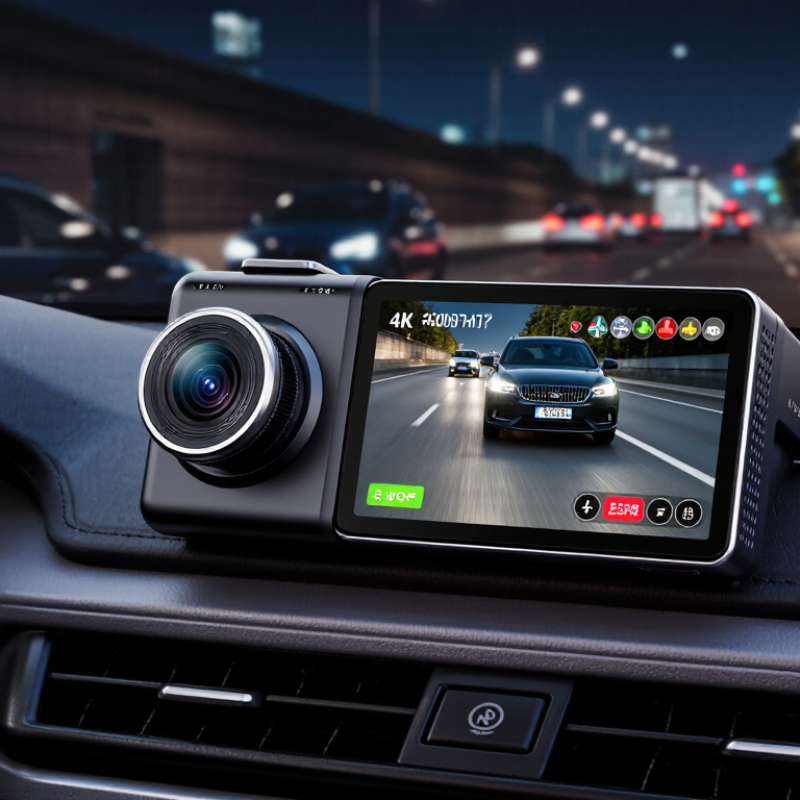
What Makes a 4K Car Dashcam Suitable for Global Buyers
What Makes a 4K Car Dashcam Suitable for Global Buyers
A suitable 4K dashcam needs more than sharp resolution. The World Health Organization’s Global Status Report on Road Safety 2023 estimates 1.19 million annual road deaths worldwide. Clear footage can help explain a collision, especially at night or in unfamiliar traffic conditions. A license plate should remain readable at a reasonable distance. Strong HDR, wide dynamic range, and stable 30-frame-per-second recording matter more than marketing claims. Heat resistance also matters in Dubai, while cold-start reliability matters in northern regions.
Tips: Check 12–24V compatibility, language options, time-zone settings, and local power adapters. Choose high-endurance storage, loop recording, and a supercapacitor instead of relying only on a battery. Confirm the operating temperature range. Small details matter. A useful app should transfer clips without forcing cloud storage. GPS accuracy should be tested, not assumed.
I once believed 4K alone guaranteed professional evidence. It does not. Poor night processing can turn a sharp image into noisy darkness. Independent testing, sample footage, and a clear warranty deserve careful review. The European Transport Safety Council reports that speeding contributes to about 30% of fatal crashes in Europe, showing why incident context matters. Buyers should also inspect audio controls, privacy settings, and mounting stability. A loose camera can create blurred footage on rough roads. Global suitability is practical, not universal; climate, driving habits, connectivity, and data rules change the buying decision.
Key Features to Compare in 4K Dashcams
A 4K dashcam can capture sharp road signs, plate details, and lane markings, but resolution alone proves little. Compare the sensor, lens aperture, and bitrate together. A weak sensor may produce noisy footage at dusk, despite a 4K label. High dynamic range also matters when headlights enter the frame. Test sample videos in daylight, rain, and low light before choosing.
Storage performance deserves equal attention. High-resolution files consume space quickly, so check memory-card compatibility, loop recording, and file protection. A stable mount prevents blurred footage on rough roads. GPS can record speed and location, while parking monitoring may require careful power management. I once used a camera with excellent daytime video but poor heat control. Its recordings stopped during a hot afternoon. That mistake changed how I compare reliability.
Tips:
Look for clear night footage, strong heat resistance, and simple controls. Check whether the power cable reaches the socket neatly. Review the warranty and support process, not just the feature list. Avoid assuming every “HDR” setting improves images; sometimes it adds strange colors. Check local privacy and recording rules before using audio or parking surveillance. A practical dashcam should start recording quickly, save files safely, and remain useful after months of vibration, dust, and changing temperatures.
Ten Recommended 4K Car Dashcams and Their Best Uses
Ten Recommended 4K Car Dashcams and Their Best Uses
A compact 4K dashcam suits city drivers who need clear plates at short distances. A wide-angle 4K model works better on busy highways and records more surrounding traffic. A front-and-rear 4K system helps document lane changes and rear impacts. A three-channel camera covers the cabin too, making it useful for family vehicles and rideshare work. Check the viewing angle carefully. Wider is not always sharper.
A 4K dashcam with strong HDR handles tunnels, bright sunlight, and night headlights more reliably. A heat-resistant model fits hot climates, where parked cars can become extremely warm. A camera with GPS records speed and location, which can improve incident reports. A low-light specialist suits rural roads and poorly lit streets. Its night footage may still show noise. That is normal, not a miracle.
A discreet, screenless 4K camera suits drivers who prefer fewer distractions. A model with cloud access helps monitor a parked vehicle, but it needs dependable connectivity and may raise privacy concerns. A dashcam with a supercapacitor offers better heat tolerance than many battery-based designs. Use a high-endurance memory card, enable loop recording, and test emergency locking before regular driving. Local recording and privacy rules differ worldwide, so review them before using audio, cabin footage, or parking surveillance. Storage failures happen. Even expensive cameras need occasional inspection.
10 Best 4K Car Dashcams for Global Buyers? - Ten Recommended 4K Car Dashcams and Their Best Uses
| No. |
Dashcam Profile |
Primary Camera Resolution |
Maximum Frame Rate |
Viewing Angle |
HDR / WDR |
GPS |
Parking Mode |
Typical Maximum Storage |
Best Use |
| 1 |
4K Single-Camera Standard |
3840 × 2160 |
30 fps |
About 140° |
Yes |
Built-in |
Buffered or time-lapse |
128 GB microSD |
Daily driving and license-plate recording on a moderate budget |
| 2 |
4K Front-and-Rear Road Recorder |
3840 × 2160 front |
30 fps front |
About 140° front |
Front camera |
Built-in |
Impact detection |
128 GB microSD |
Family vehicles needing evidence from both traffic directions |
| 3 |
4K Front-and-Interior Camera |
3840 × 2160 front |
30 fps front |
About 135° front |
Yes |
Optional or built-in |
Low-frame-rate recording |
128 GB microSD |
Ride-hailing, taxi, and private-hire vehicles requiring cabin coverage |
| 4 |
4K Three-Channel Safety System |
3840 × 2160 front |
30 fps front |
About 140° front |
Front and cabin |
Built-in |
Buffered event recording |
256 GB microSD |
Commercial fleets and vehicles requiring front, rear, and cabin views |
| 5 |
4K High-Frame-Rate Road Camera |
3840 × 2160 |
60 fps at reduced or selected modes |
About 130° |
Yes |
Built-in |
Impact detection |
128 GB microSD |
High-speed roads where smoother motion helps document close incidents |
| 6 |
4K Low-Light Optimized Camera |
3840 × 2160 |
30 fps |
About 135° |
Advanced HDR |
Built-in |
Motion and impact detection |
256 GB microSD |
Night driving, tunnels, and areas with strong headlight contrast |
| 7 |
4K Connected Travel Camera |
3840 × 2160 |
30 fps |
About 140° |
Yes |
Built-in |
Cloud-enabled with hardwire kit |
128 GB microSD |
Travelers who want remote alerts and access to recent footage |
| 8 |
4K Compact Screenless Camera |
3840 × 2160 |
30 fps |
About 135° |
Yes |
Optional |
Impact detection |
128 GB microSD |
Drivers preferring a discreet installation and smartphone control |
| 9 |
4K Wide-Temperature Recorder |
3840 × 2160 |
30 fps |
About 150° |
Yes |
Built-in |
Hardwire-kit dependent |
256 GB microSD |
Hot, cold, or dusty environments where durability is a priority |
| 10 |
4K Long-Distance Touring System |
3840 × 2160 front |
30 fps |
About 130° front |
Yes |
Built-in |
Buffered event recording |
256 GB microSD |
Cross-border road trips and long journeys needing reliable location data |
Note: Recording resolution, storage capacity, GPS availability, and parking-mode functions can vary by regional configuration and optional accessories. A high-endurance microSD card and professional hardwire installation are recommended for continuous use.
Installation, Storage, and Regional Compatibility
Choosing among the 10 best 4K car dashcams for global buyers requires more than image quality. Installation, storage, and regional compatibility can determine daily reliability. A 4K camera needs a stable power connection, preferably through a properly fitted fuse adapter or accessory socket. Check whether your vehicle uses a 12-volt or 24-volt system. Avoid loose cables near airbags or pedals. A clean installation protects both safety and recording performance.
Storage deserves careful attention. High-resolution footage fills cards quickly, especially with parking monitoring enabled. Use a high-endurance memory card with enough capacity for your driving routine. Format it inside the camera regularly, and replace it when recordings become corrupted. Heat can also reduce card life. In hot regions, position the camera away from direct sunlight when possible. Cloud storage may help, but it depends on reliable mobile coverage and subscription costs.
Tips: Test the camera for one week before hiding the cables. Check night footage, license-plate clarity, audio settings, and GPS accuracy. Confirm that the voltage adapter matches your vehicle. Also review local rules about recording public roads, audio, and personal data. Regional menus and power plugs may differ, so verify compatibility before ordering. My first installation looked tidy but blocked part of the windshield view. I had to reposition it. Small mistakes matter. Use a removable mount when testing the angle. Keep a spare memory card, but do not treat it as a permanent solution.
10 Best 4K Car Dashcams for Global Buyers: Installation, Storage, and Regional Compatibility
Estimated continuous 4K recording hours on a 128 GB card at common video bitrates. Higher bitrates generally improve detail but reduce storage duration. The estimates exclude loop-file overhead and may vary with audio, HDR, GPS, and parking-mode settings.
For global installation, most 4K dashcams use a 12-volt vehicle power system and can be installed in approximately 20–45 minutes with a standard adhesive mount. Buyers should confirm local privacy, windshield-placement, GPS, and parking-recording regulations before use. A high-endurance microSD card of 128–256 GB is typically more suitable for continuous recording.
How to Choose the Right 4K Dashcam for Your Driving Needs
Choosing a 4K dashcam starts with your driving environment, not the pixel count. On bright highways, 4K can capture clearer road signs and vehicle details. At night, however, a sensitive image sensor and effective HDR often matter more than extra resolution. Night footage matters.
Check sample videos recorded in rain, tunnels, and direct sunlight. Look for natural colors, limited glare, and readable details during movement. A wide lens can cover more lanes, but excessive width may distort nearby vehicles. A practical angle is often better than the largest advertised number.
Storage and heat deserve equal attention. High-resolution footage consumes space quickly, so choose a model supporting reliable, high-endurance memory cards. Continuous recording may create large files within hours. Check whether the device can handle hot dashboards without freezing or shutting down. GPS can help verify time and location, while a polarizing filter may reduce windshield reflections. It can also darken footage if poorly adjusted.
Consider installation before buying. A discreet mount, a long power cable, and simple controls reduce distractions. Parking monitoring may require professional installation and should follow local privacy and recording rules. I would not trust one polished showroom clip. Test several files on a computer, because a small screen can hide compression, focus problems, and unreadable shadows. No camera performs perfectly in every weather condition, and that limitation should influence your choice.
FAQS
No. Sensor quality, lens aperture, bitrate, and dynamic range matter too. A weak sensor may create noisy images at dusk. Test daylight, rain, and night footage.
Look for readable road signs and lane markings under headlights. Check sample videos carefully. HDR can help, but sometimes produces unnatural colors.
4K footage fills memory cards quickly, especially during parking monitoring. Choose a high-endurance card with suitable capacity. Format it inside the camera regularly.
Check loop recording and file-protection features before buying. Replace cards when files become corrupted. Keep a spare card nearby, but do not depend on it forever.
Use a stable mount and a secure power connection. Keep cables away from airbags and pedals. Test the viewing angle before hiding cables.
Check whether your vehicle uses a 12-volt or 24-volt system. The voltage adapter must match the vehicle. Loose connections may interrupt recording.
Strong heat resistance is essential. High temperatures can damage memory cards and stop recordings. I once trusted daytime quality too much. The camera stopped on a hot afternoon.
Confirm power plugs, menu languages, GPS accuracy, and vehicle compatibility. Review local privacy rules before recording audio, public roads, or parking areas. Laws differ.
Conclusion
Choosing the right 4K Car Dashcam for global driving requires more than simply selecting the highest resolution. A suitable model should deliver clear day and night footage, reliable loop recording, wide-angle coverage, strong heat and cold resistance, and practical features such as parking monitoring, GPS, wireless transfer, and collision detection. This guide compares the key specifications that affect real-world performance, including image quality, storage options, power requirements, mounting design, and ease of use.
It also introduces ten recommended 4K dashcam types for different needs, from daily commuting and long-distance travel to fleet use and enhanced parking awareness. Readers will learn how to plan installation, choose compatible memory storage, manage recordings, and consider regional differences in vehicle power systems and environmental conditions. By balancing budget, driving habits, climate, desired features, and maintenance requirements, buyers can select a dependable 4K Car Dashcam that provides useful visual records and convenient operation wherever they drive.