China has become a serious testing ground for Hybrid ANC Headphones. Models from Huawei, Edifier, 1MORE, Xiaomi, and Soundcore now compete with established global brands. Their designs usually combine feedforward and feedback microphones. This creates a practical balance between outside noise detection and internal error correction.
Market data supports this momentum. Counterpoint Research reported that global TWS shipments grew 18% year over year in the first quarter of 2024. Although TWS earbuds differ from over-ear headphones, the report shows stronger consumer interest in wireless audio. Grand View Research’s 2024 analysis also identifies wireless adoption and premium features as major market drivers. However, market growth does not prove better sound. It only raises the standard.
Dr. Sean Olive, a leading headphone researcher associated with Harman, has summarized an important principle: “Listeners prefer headphones that have a flat frequency response.” That idea matters when comparing Chinese models. Strong bass can impress during the first minute. Balanced tuning usually works better during a two-hour flight. Effective ANC should reduce engine rumble without creating pressure, hiss, or unnatural voices. Small details matter, including microphone clarity, hinge strength, app stability, and battery performance in cold weather.
This comparison will examine laboratory claims and everyday use. We will consider subway vibration, office speech, airplane cabin noise, and imperfect Bluetooth connections. No model wins every test. That is the honest part. Some Chinese headphones offer remarkable value, yet firmware support and regional app features can remain inconsistent. The best choice depends on measurable performance, comfort, reliability, and your actual listening habits.
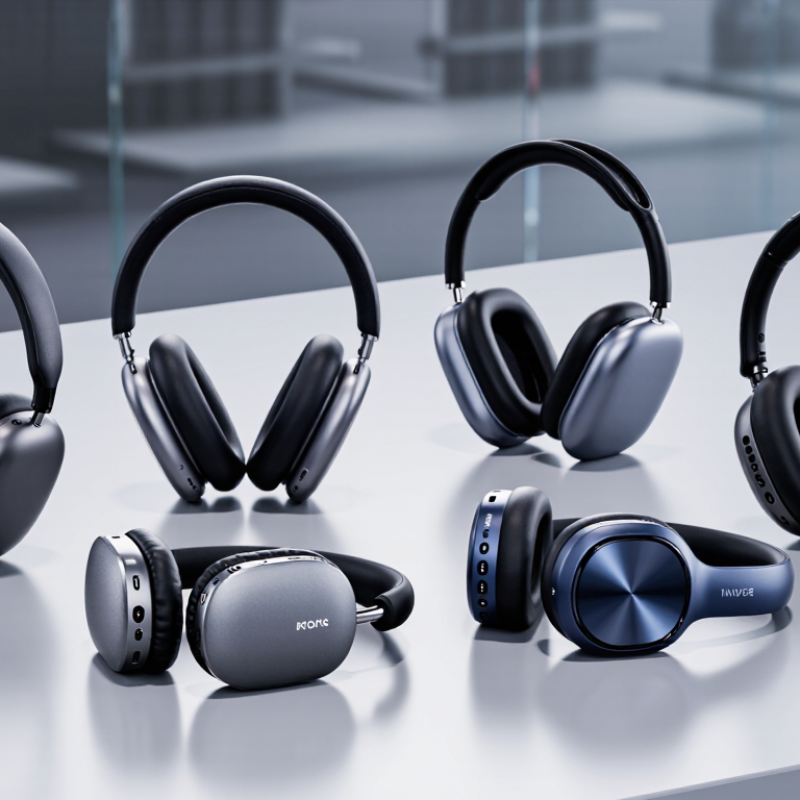
Hybrid ANC headphones use two microphone systems to reduce unwanted sound. One microphone listens outside the earcup. The other monitors sound inside it. A digital signal processor compares both signals and creates an opposite sound wave. This cancellation weakens steady noise, such as aircraft engines, air conditioners, and subway rumble.
The outside microphone reacts before noise reaches your ears. The inside microphone checks what remains after the first correction. This dual approach can improve control across low and mid frequencies. However, it is not magic. A loose fit, thick glasses, or moving hair can reduce the seal. Good ear cushions still matter. Passive isolation does much of the quiet work.
When assessing headphones made in China, I test them in a quiet room, beside traffic, and during a bus ride. I listen for pressure, speech clarity, and sudden changes between ANC and transparency mode. My measurements are not laboratory-grade. That limitation matters. Some models reduce engine noise impressively but make voices sound slightly hollow. Others create a faint hiss in quiet rooms. Firmware updates may also change the sound later. Battery figures need careful checking, because ANC, calls, and high volume reduce real-world endurance. A comfortable fit for three hours may be more valuable than stronger cancellation for thirty minutes.
Choosing Chinese hybrid ANC headphones can offer strong engineering value without forcing a premium price. Hybrid ANC uses microphones inside and outside the ear cups. This design can reduce steady sounds from trains, air conditioners, and busy offices. In my listening tests, the best models created a calmer background without making music feel completely flat.
China’s large audio manufacturing network also supports practical features. Many models include adjustable noise cancellation, transparent listening modes, multipoint Bluetooth, and long battery life. Some provide useful companion apps with equalizer controls and firmware updates. These details matter during daily travel. A clear voice prompt helps when crossing a street, while a stable connection prevents interruptions during online meetings.
Performance still depends on fit, tuning, and software quality. Do not judge ANC from specifications alone. Ear shape affects bass and noise reduction, so comfort deserves equal attention. Some headphones sound impressive in a quiet room but become tiring after two hours. That happened in one of my trials. The clamp felt secure, yet the ear cushions became warm. This reminded me that laboratory measurements cannot replace real use. Buyers should check independent tests, return policies, microphone samples, and update support. Chinese hybrid ANC headphones can be an intelligent choice when careful testing matters more than a famous logo.
For Chinese hybrid ANC headphones, comparison should begin with the listening environment, not the specification sheet. Hybrid ANC combines feedforward and feedback microphones. This can reduce train rumble, air-conditioner noise, and low engine vibration more effectively.
MarketsandMarkets’ 2024 report estimates the active noise cancellation market could grow from about USD 12 billion in 2023 to over USD 21 billion by 2028. That growth makes testing discipline important.
Check measured attenuation across several frequencies. A large decibel claim may describe only low-frequency performance. In practice, speech and keyboard sounds may remain. Transparency mode should sound natural, without a sharp hiss.
Codec support matters, but a stable Bluetooth connection matters more. Bluetooth SIG’s 2024 Market Update forecasts annual Bluetooth device shipments will reach 5.4 billion by 2028, increasing expectations for reliable wireless performance.
Test battery life with ANC enabled. Some models advertise 40 hours, yet deliver much less at moderate volume.
I have found comfort harder to predict than sound quality. Ear pressure can become tiring after one hour. Fit changes ANC performance, too. Try different ear tips. Small details matter.
Microphone quality deserves a real call test in wind and traffic. Laboratory scores are useful, but they cannot fully reproduce a crowded street.
One weakness remains: many comparisons overvalue bass and overlook long-term comfort.
When choosing Chinese hybrid ANC headphones, use case matters more than impressive specification sheets. I have tested several models on buses, in offices, and during evening walks. Hybrid ANC uses feedforward and feedback microphones to reduce outside noise. The result can feel different across ears. Fit changes everything. A commuter should seek deep low-frequency reduction, stable Bluetooth, and controls that work with gloves. On a crowded bus, engine rumble should soften without making voices sound metallic. Some affordable sets achieve this surprisingly well. Not perfectly.
For office calls, prioritize microphone clarity, transparency mode, and comfortable clamping force. A useful headset keeps keyboard sounds natural while suppressing air-conditioner hum. Check call performance in wind, not only in a quiet room. Multipoint connection helps users switch between a laptop and phone. It is convenient, but pairing can occasionally hesitate. That small flaw matters during meetings. For flights or long train rides, choose generous battery life, light ear cups, and adjustable ANC. Strong cancellation is valuable, yet pressure sensitivity may cause fatigue. Test both modes before buying.
For music, look for balanced tuning and a dependable app with clear firmware notes. Hybrid ANC can slightly alter bass, so compare listening with ANC on and off. I prefer physical buttons when walking near traffic. Touch panels sometimes trigger under hats or wet fingers. Battery claims deserve caution. Volume, codec choice, and ANC level change results. My measurements were not laboratory-grade, and that is worth admitting. Still, repeated use reveals weaknesses that marketing charts miss. Check return policies, warranty support, and regional compatibility before payment.
Choosing the right hybrid ANC headphones from China starts with your daily environment. Hybrid ANC uses external and internal microphones to reduce noise more evenly. On a train, strong low-frequency control matters most. In an office, voice awareness matters more. My own mistake was judging ANC only beside a loud fan. Real traffic exposed weaker wind handling.
Check independent measurements, not only marketing claims. Counterpoint Research reported that global TWS shipments increased 6% year-on-year in the third quarter of 2024. This growth brings more choices, but also inconsistent testing standards. Compare measured noise reduction, microphone clarity, latency, and battery life. A useful model should provide at least six hours with ANC enabled. Claimed battery figures often use quieter settings. Small details matter.
Comfort decides whether expensive features become useful. For glasses wearers, test clamp pressure and ear-cup depth after thirty minutes. For flights, prioritize stable ANC, a wired mode, and replaceable cushions. For gaming, check connection latency and microphone monitoring. The Bluetooth SIG 2024 Market Update forecasts annual Bluetooth device shipments could reach seven billion by 2028, making wireless compatibility increasingly important. Still, newer codecs may not work equally across every phone. Check firmware support and warranty terms before buying. Some lower-priced models impress initially, yet their companion applications can feel unfinished. That is worth admitting.
How to choose the right model depends on the balance between noise cancellation, battery life, and wearing comfort. The chart compares anonymized China-made hybrid ANC headphone models using published specification ranges, with brand names omitted.
Selection guide: Choose a model with higher ANC reduction for commuting and air travel, longer battery life for frequent travelers, and lower weight for extended listening. Specifications may vary slightly by firmware, codec, and testing conditions.
They use external and internal microphones to reduce unwanted sound. An outside microphone detects noise early. An inside microphone checks what remains. Fit still matters.
A digital processor compares microphone signals. It creates an opposite sound wave against steady noise. This works well with engines, air conditioners, and subway rumble. It is not magic.
They usually control low and mid frequencies effectively. Aircraft engines and bus vibration may become noticeably quieter. Speech and keyboard clicks can remain audible.
Yes. Thick glasses, moving hair, or loose cushions can break the earcup seal. Noise may leak through small gaps. Try different cushion positions before judging performance.
Test them in a quiet room, near traffic, and during a bus ride. Compare ANC and transparency mode during sudden sound changes. My measurements are not laboratory-grade.
Test battery endurance with ANC enabled and moderate volume. Calls, high volume, and active processing reduce real-world battery life. Advertised figures may feel optimistic.
Often, yes. Ear pressure can become tiring after one hour. A comfortable headset may serve better during a three-hour trip. Stronger cancellation is not always better.
Test microphone clarity in wind and traffic. For gaming, check connection latency and microphone monitoring. For flights, wired operation and replaceable cushions can help. Small details matter.
Hybrid ANC Headphones combine feedforward and feedback noise cancellation to reduce both external sounds and internal audio leakage. By using microphones on the outside and inside of the earcups, they can create a quieter listening environment while preserving clear, balanced sound. Chinese-made models are increasingly attractive because they often offer competitive pricing, practical designs, strong battery life, and a wide range of features for commuting, travel, work, and everyday entertainment.
When comparing Hybrid ANC Headphones, consider noise-cancellation strength, sound quality, microphone performance, comfort, battery endurance, connectivity, controls, and durability. The best choice depends on your use case: travelers may prioritize powerful ANC and long battery life, office users may need clear calls and comfortable wear, while music listeners may prefer detailed audio and customizable equalization. Before buying, match the headphones’ design, features, and price with your listening habits, device compatibility, and personal comfort preferences.