BIS certified & export-compliant hardware 12-month warranty · 200+ service cities OEM / ODM & bulk programmes available
0%

China has become a major sourcing destination for the Smart Performance Band industry. Its supplier base includes experienced factories, electronics specialists, and design-focused manufacturers. However, supplier quality varies widely. A polished sample does not always indicate stable mass production.

Steve Mann, widely recognized as a pioneer of wearable computing, once said, “Wearable computing is about creating a symbiotic relationship between human and computer.” His observation remains relevant today. A capable Smart Performance Band should feel comfortable during running, cycling, sleep, and daily work. It should also deliver dependable heart-rate readings, activity tracking, battery performance, and app synchronization.

This introduction examines leading Chinese suppliers through practical purchasing criteria. These include sensor integration, firmware stability, waterproof design, production capacity, quality-control records, and after-sales support. Buyers should request test reports, sample data, factory evidence, and clear warranty terms. They should also confirm privacy practices and applicable product certifications before signing contracts. Supplier audits can reveal details that websites often hide, such as inconsistent assembly lines or weak component traceability.

The picture is not perfect. No supplier leads every category. Some manufacturers offer impressive hardware but limited software support. Others provide strong customization but require larger minimum orders. Pricing can also change after tooling, packaging, or certification requirements appear. Therefore, this guide focuses on evidence rather than promotional claims. It aims to help importers compare China’s top Smart Performance Band suppliers with greater confidence, while recognizing that product testing remains essential.
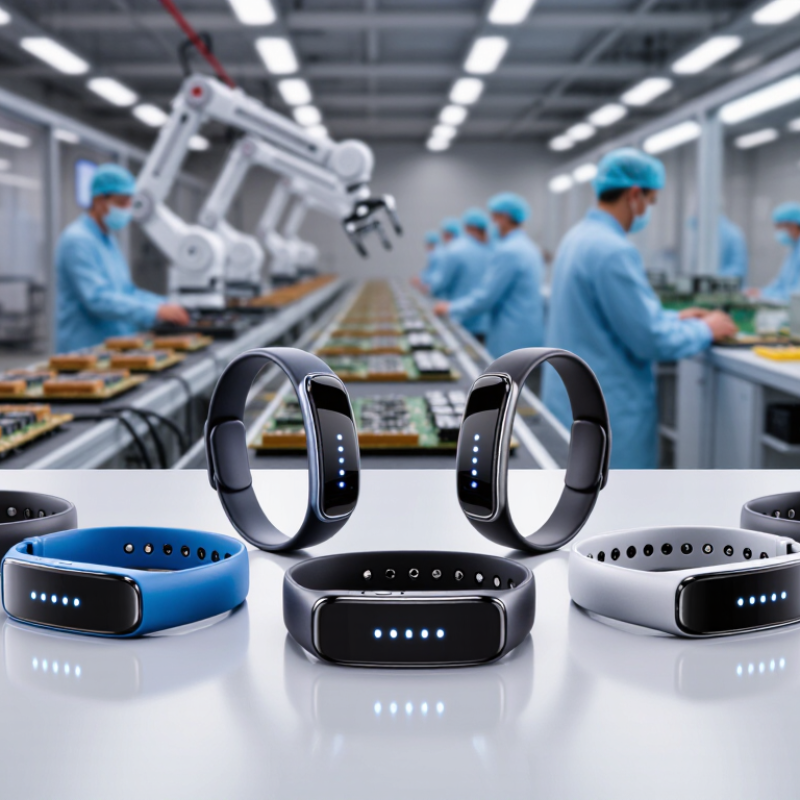
China Top Smart Performance Band Suppliers?

What Are Smart Performance Bands and How Are They Used?

Smart performance bands are wearable devices designed to measure movement, exertion, and recovery. They usually combine motion sensors, heart-rate monitoring, and software-based analysis. Some models also estimate sleep patterns, skin temperature, or training load. The band sends collected data to a mobile application for review. In practical testing, a coach may check an athlete’s heart-rate response after a sprint session. A warehouse supervisor may review fatigue trends during demanding shifts. These readings turn hidden body signals into visible performance information. Small details matter. A loose strap can reduce accuracy. Sweat, movement, and skin contact can also affect results.

Their most useful role is supporting better decisions, not replacing professional judgment. Athletes can adjust training intensity when recovery appears poor. Fitness users can compare daily activity with personal goals. Coaches may identify unusual changes and recommend rest or further assessment. However, performance bands do not provide guaranteed medical conclusions. Their estimates can differ from clinical equipment, especially during fast movement. I have also found that users often trust a single score too quickly. That assumption can fail. Reliable use requires consistent wearing habits, sensible data comparisons, and clear privacy practices. Suppliers should explain sensor limits, testing methods, battery behavior, and data protection before purchase. Buyers should ask whether the device fits their activity, climate, and measurement needs. More data is not always better data.

How to Evaluate Smart Performance Band Suppliers in China

When evaluating smart performance band suppliers in China, treat a factory visit as evidence, not decoration. Request a working sample and inspect its heart-rate readings during walking, cycling, and rest. Compare results with a trusted medical-grade reference device, while remembering that consumer wearables are not clinical instruments. Ask for raw test records, firmware versions, battery cycle results, and waterproofing reports. Small details matter.

A capable supplier should explain sensor placement, calibration, production tolerances, and failure rates clearly. Review the full process, including incoming components, assembly, software testing, final inspection, and shipment checks. Visit the production line if possible. Look for traceable labels, clean workstations, controlled storage, and trained inspectors. Still, a neat factory can conceal weak software support. Test the mobile application, update process, language options, and data export before signing an agreement.

Reliability also depends on communication after the deposit. Set measurable standards for delivery dates, defect limits, replacement parts, warranty handling, and customer data protection. Confirm certifications through official databases or issuing bodies instead of accepting copied files. Ask for references from comparable projects, then verify them independently. A supplier may promise everything. Pilot orders reveal more than promises. Keep records of unanswered questions and changing quotations; these inconsistencies deserve attention. The lowest price is not always the safest choice. A cheaper band may later cost more through returns, unstable firmware, or missing documentation.

Leading Chinese Suppliers and Their Product Specialties

China’s smart performance band suppliers often specialize by hardware capability rather than appearance. Sports-focused manufacturers develop bands with optical heart-rate sensors, motion tracking, sleep analysis, and route functions. Their products suit running, cycling, gym training, and outdoor activities. Some suppliers support multi-sport modes, while others concentrate on simple daily fitness tracking.

OEM and ODM suppliers offer a different advantage. They can adjust strap materials, screen layouts, firmware functions, packaging, and mobile applications. This helps distributors create products for specific markets. A supplier may also provide small pilot orders, factory samples, and production reports. These details matter more than attractive catalog images. A bright sample can hide unstable software or inconsistent sensor readings.

Rugged-performance suppliers usually focus on stronger cases, water resistance, longer battery life, and clearer outdoor displays. Buyers should check test records, charging safety, data protection practices, and quality-control procedures. Factory audits and repeated sample testing improve reliability. Still, no supplier is perfect. Early samples may perform well, then show charging faults during extended testing. Ask for measured battery results, sensor accuracy conditions, and replacement policies before placing a larger order. Supplier expertise becomes credible when technical teams explain limitations clearly.

China Top Smart Performance Band Suppliers? - Leading Chinese Suppliers and Their Product Specialties

Supplier Segment Core Product Specialty Typical Health and Performance Functions Connectivity and Compatibility Typical Battery Profile Common Protection Level Best-Fit Buyer and Product Positioning
Advanced OEM/ODM Smart Band Manufacturer Customized fitness bands with branded hardware, firmware, packaging, and mobile-app integration. Heart-rate monitoring SpO₂ tracking Sleep monitoring Step counting Workout modes Bluetooth Low Energy; Android and iOS companion-app support; API or SDK options may be available. Rechargeable lithium-polymer battery; commonly designed for approximately 5–14 days of normal use. Usually IP67 or IP68 for dust and water resistance, subject to product testing and certification. Private-label brands, distributors, and consumer-electronics companies requiring product customization.
Sports and Outdoor Performance Band Supplier Durable wrist-worn devices focused on running, cycling, swimming, and outdoor activity tracking. Distance and pace Calorie estimation Heart-rate zones Training records Multi-sport modes Bluetooth Low Energy; smartphone synchronization; selected models may support GNSS through an integrated chip or connected phone. Typically 7–20 days depending on display type, sensor frequency, and GPS usage. IP68 is common; swim-oriented products may specify a water-resistance rating suitable for shallow-water use. Sports retailers, wellness platforms, corporate fitness programs, and outdoor-accessory sellers.
Medical-Wellness Monitoring Device Supplier Wellness-focused bands designed around continuous or periodic physiological data collection. Heart-rate trends Blood-oxygen estimation Sleep analysis Activity reminders Sedentary alerts Bluetooth Low Energy with mobile dashboards; cloud-data integration may be offered for institutional projects. Commonly 5–15 days, depending on measurement intervals and display configuration. Often IP67 or IP68; water-resistance claims should be verified against the final test report. Health-management platforms, elderly-care projects, occupational wellness, and preventive-care programs.
Cost-Efficient High-Volume Supplier Entry-level activity bands optimized for competitive pricing, standardized components, and large production runs. Steps Calories Basic heart rate Sleep duration Call alerts Bluetooth Low Energy; standard Android and iOS synchronization; limited software customization is typical. Approximately 5–12 days for normal usage, depending on screen size and sensor settings. IP67 is widely used; some models provide IP68-rated protection. Promotional campaigns, budget retail, employee incentive programs, and mass-market e-commerce.
Fashion and Lifestyle Wearable Supplier Slim, lightweight bands emphasizing appearance, interchangeable straps, and lifestyle notifications. Activity tracking Sleep tracking Heart rate Notifications Personalized watch faces Bluetooth Low Energy; smartphone notifications; app interface and watch-face customization are common selling points. Usually 4–10 days due to compact batteries and thinner form factors. Typically IP67 or IP68, depending on housing design and charging-port protection. Fashion retailers, lifestyle brands, gift channels, and buyers prioritizing design over advanced sports functions.
Enterprise and Project-Based Wearable Supplier Configurable wearable systems for education, workforce management, events, research, and group wellness. Activity data Group dashboards User identification Data export Fleet management Bluetooth Low Energy; web dashboards, data APIs, QR-code pairing, and customized software workflows may be available. Commonly 5–14 days; project versions may prioritize charging efficiency and centralized maintenance. Usually IP67 or IP68 for everyday commercial use. Institutions and organizations needing bulk deployment, centralized data management, or customized reporting.
Rugged Industrial Wearable Supplier Reinforced smart bands for logistics, warehousing, field service, industrial training, and demanding environments. Worker activity Task notifications Emergency alerts Location-linked workflows Usage logging Bluetooth Low Energy; optional integration with enterprise mobile devices, scanners, or dedicated management software. Typically 3–10 days, with charging-dock solutions often used for managed deployments. IP68 is common; impact, temperature, and chemical-resistance claims require project-specific verification. Industrial buyers, logistics operators, field-service companies, and safety-management projects.

Note: The specifications above represent common product configurations and supplier capabilities in the Chinese smart wearable manufacturing market. Final specifications, certifications, minimum order quantities, software functions, and delivery terms should be confirmed in the supplier’s technical datasheet and sample approval process.

Manufacturing Quality, Customization, and Certification Standards

China Top Smart Performance Band Suppliers?

When evaluating smart performance band suppliers in China, manufacturing quality should come before attractive pricing. Experienced buyers inspect assembly lines, incoming material controls, and final inspection records. Ask for sample units from the same production line. Check sensor stability, charging cycles, strap comfort, and Bluetooth connection strength. Small details matter. A loose charging contact can create repeated returns.

Customization should be tested, not simply promised. Reliable suppliers can adjust casing colors, strap materials, display layouts, firmware functions, packaging, and user interfaces. They should also explain minimum order quantities and tooling fees clearly. Request a pilot batch before mass production. Compare battery results across several units. Performance may vary slightly, and that deserves investigation rather than excuses.

Tips: Request ISO 9001 evidence, product test reports, and factory audit records. For target markets, confirm applicable CE, FCC, RoHS, REACH, or other regional requirements. These documents should match the exact model and production version. Review water-resistance testing, battery safety checks, and skin-contact material declarations. Ask who performs the tests. Independent laboratories usually provide stronger evidence than internal claims. Keep a written approval sample and inspection checklist. It protects quality, although it will not solve every problem. Supplier transparency is useful, but ongoing testing remains necessary.

How to Select the Right Supplier for Your Business Needs

China Top Smart Performance Band Suppliers?

How to Select the Right Supplier for Your Business Needs

Choosing a smart performance band supplier requires more than comparing unit prices. Review production experience, engineering capacity, and quality records. Ask for samples from the intended production line. A polished sample may hide inconsistent assembly. Test heart-rate tracking, step counting, sleep data, battery life, and charging stability under daily conditions.

Check whether the supplier can support your required hardware and software features. Discuss sensor options, firmware updates, mobile application integration, packaging, and product customization. Request recent test reports for water resistance, battery safety, electromagnetic compatibility, and material quality. Independent laboratory records are more reliable than simple factory claims. Ask how defective units are identified and replaced.

Communication also reveals operational maturity. A dependable supplier provides clear lead times, minimum order quantities, inspection procedures, and payment terms. Confirm who owns the mold, software, and product data. Protect customer information through written security requirements. Small details matter.

Do not ignore after-sales support. A responsive technical team can reduce warranty delays and customer complaints. I would also audit the factory, when possible, instead of relying only on documents. No supplier is perfect. One weakness may appear after mass production begins. A pilot order helps expose problems before they become expensive. Even experienced buyers can underestimate packaging damage, firmware errors, or seasonal capacity changes. Keep reviewing performance with measurable targets, not friendly promises.

FAQS

What should I inspect during a factory visit?

Treat the visit as evidence, not decoration. Check incoming materials, assembly, software testing, final inspection, and shipment procedures. Look for clean workstations, traceable labels, controlled storage, and trained inspectors. A tidy factory can still hide weak software support.

How can I test a smart performance band sample?

Request samples from the intended production line. Test heart-rate readings during rest, walking, and cycling. Compare results with a trusted medical-grade reference device. Consumer wearables are not clinical instruments. Test step counting, sleep data, charging, and battery life too.

Which technical records should a supplier provide?

Request raw test records, firmware versions, battery-cycle results, waterproofing reports, and failure rates. Ask about sensor placement, calibration, and production tolerances. Missing records deserve attention. Promises are not measurements.

How should customization claims be evaluated?

Test casing colors, strap materials, displays, firmware functions, packaging, and user interfaces. Confirm minimum order quantities and tooling fees in writing. Request a pilot batch before mass production. Compare battery results across several units, because performance can vary.

What certifications and safety documents should buyers verify?

Ask for documents covering water resistance, battery safety, electromagnetic compatibility, and skin-contact materials. Confirm that each document matches the exact model and production version. Verify certificates through official issuing bodies or databases. Copied files are weak evidence.

How can I assess software and application support?

Test the mobile application, update process, language options, and data export. Check Bluetooth stability during ordinary use. Discuss integration requirements before signing an agreement. Hardware may work while software quietly fails.

What commercial terms should be clearly defined?

Record lead times, minimum order quantities, defect limits, replacement parts, warranty handling, and payment terms. Confirm ownership of molds, software, and product data. Set written customer-data protection requirements. Changing quotations should be documented and questioned.

Why is a pilot order important?

A pilot order can reveal unstable firmware, packaging damage, inconsistent assembly, and seasonal capacity problems. Keep an inspection checklist and an approved sample. Review results against measurable targets. Even experienced buyers can underestimate small failures.

Conclusion

This guide explains what a Smart Performance Band is and how it supports fitness tracking, wellness monitoring, sports training, and connected user experiences. It outlines key features such as activity measurement, heart-rate sensing, sleep analysis, data synchronization, battery efficiency, and comfortable wearable design. The article also presents practical methods for evaluating suppliers in China, including production capacity, engineering expertise, communication efficiency, quality-control procedures, and experience with international orders.

Readers will learn how to compare supplier specialties, assess manufacturing quality, and review customization options for hardware, software, packaging, and user interfaces. It also highlights the importance of testing, material safety, privacy protection, and relevant product certifications. Finally, the guide offers a structured approach to selecting the right supplier according to target users, order volume, budget, technical requirements, delivery expectations, and after-sales support, helping businesses establish a reliable and suitable cooperation plan.


Clara

Clara

Clara is a professional marketing specialist dedicated to helping businesses discover practical, reliable, and innovative solutions through clear communication and customer-focused strategies. With extensive knowledge of the company’s products and services, she understands how each solution......