Choosing Gaming TWS Earbuds for global buyers requires more than comparing battery ratings and colorful product photos. A reliable choice should balance low-latency performance, comfort, microphone quality, connection stability, and everyday durability. Gaming TWS Earbuds may perform impressively in a quiet room, yet behave differently beside a busy airport or crowded apartment. Real listening conditions matter.
This guide examines practical details that influence gaming and travel experiences. Latency can affect timing during competitive matches, especially when sound cues guide quick decisions. However, advertised latency figures may use different testing methods. They should not be treated as absolute promises. Bluetooth compatibility, supported codecs, and device software can also change results. A stable microphone matters during team communication, where unclear speech quickly becomes frustrating.
Fit deserves equal attention. Lightweight earbuds with secure tips can remain comfortable during long sessions, while poor sealing may weaken bass and noise isolation. Battery life should include realistic use with the charging case, not only laboratory measurements. Features such as an IP rating, touch controls, transparency mode, and replaceable ear tips add useful value. Still, more features can create more opportunities for software problems.
Buyer feedback from different regions can reveal patterns that specifications miss. Look for repeated comments about pairing, firmware updates, comfort, and warranty support. No model fits every ear or gaming platform perfectly. That is the uncomfortable part. A careful decision accepts small compromises and matches them with real habits, devices, and travel conditions.
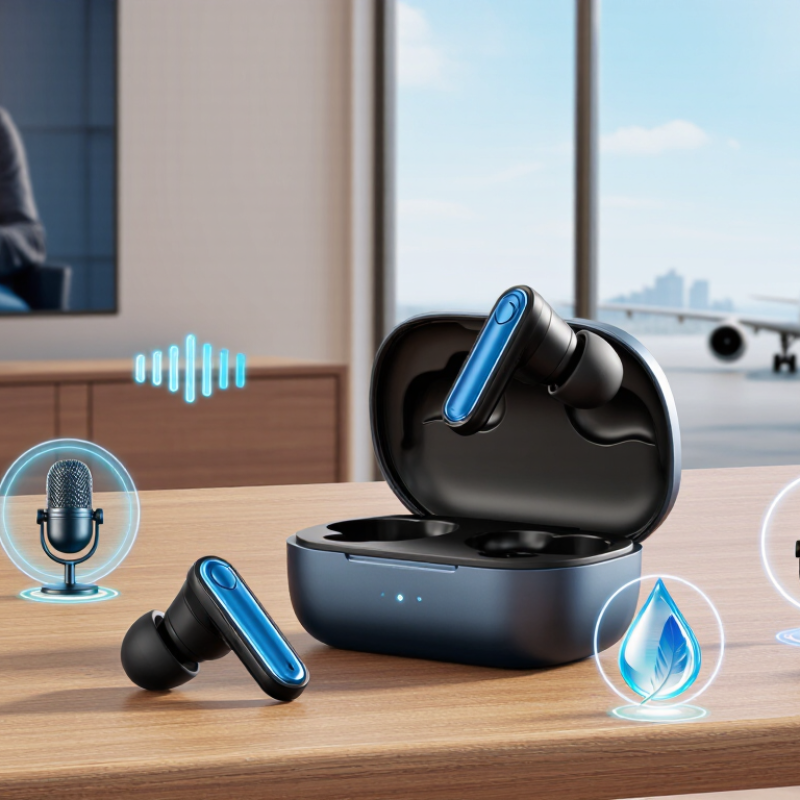
How to Choose Gaming TWS Earbuds for Global Buyers?
Define gaming needs, platforms, and competitive priorities before comparing specifications. Newzoo’s 2024 Global Games Market Report estimates 3.42 billion players worldwide and $187.7 billion in annual game revenue. That scale hides important differences. A mobile player needs stable Bluetooth performance, light weight, and reliable touch controls. A PC competitor may need a 2.4GHz USB transmitter, lower latency, and microphone monitoring. Console users should check platform support before judging sound quality. Compatibility problems are frustrating.
Latency matters during gunfire, rhythm games, and fast racing turns. However, “low latency” claims often lack consistent testing conditions. Treat them carefully. Bluetooth SIG’s 2024 market report forecasts 7.6 billion annual Bluetooth device shipments by 2028, so wireless choices will keep expanding. Yet more devices may create crowded radio environments in homes, hotels, and tournaments. I would test earbuds beside a busy router, not only in a quiet showroom. Look for stable connection recovery, clear positional audio, and a microphone that resists keyboard noise. Battery life should cover a real session, including the charging case. Comfort deserves equal attention. Earbuds that loosen after forty minutes are not competitive tools. Active noise cancellation can help travel, but it may reduce environmental awareness. Prioritize fit, platform support, latency, and voice clarity before decorative lighting or exaggerated bass.
Global buyers need more than loud sound from gaming TWS earbuds. Newzoo’s 2024 Global Games Market Report estimates 3.42 billion players worldwide. Their listening environments differ sharply, from quiet bedrooms to crowded public transport.
Start with measured audio performance. Look for balanced bass, clear mids, and controlled treble. Excessive bass can hide reload sounds and footsteps. A low-latency gaming mode helps, but advertised figures require careful testing. Wireless delay can change with phones, operating systems, and interference. Bluetooth SIG’s 2024 Market Update forecasts 5.4 billion Bluetooth device shipments by 2028, increasing the need for stable connections. A 2.4GHz receiver may reduce delay, although it adds another device to carry. Spatial audio can improve direction cues, but poor tuning often creates a wider, less accurate image.
Microphone quality deserves equal attention. A dual- or triple-microphone array should preserve speech near traffic, keyboard noise, and wind. Test recordings reveal more than specifications. Voice clarity, background suppression, and plosive control matter during team communication. Some noise reduction sounds unnatural. That trade-off is easy to miss. Adjustable sidetone can prevent users from shouting, while independent game-chat mixing improves practical control. I would also check battery behavior with microphones enabled, because claimed playback time often falls during real gaming sessions. Reliability matters more than one impressive laboratory number.
For global buyers, wireless standards deserve more attention than a version number. Bluetooth SIG’s 2024 Market Update estimated 5.4 billion Bluetooth devices shipped in 2023. This scale supports broad compatibility, but it does not guarantee smooth gaming. Check Bluetooth 5.2 or newer, LE Audio support, codec options, and operating-system compatibility. A certified product is safer than one listing vague “advanced wireless” claims. Range ratings can also mislead. Walls, crowded 2.4 GHz networks, and a phone inside a pocket can reduce stability.
Latency remains difficult. Gaming modes often advertise delays below 60 milliseconds, yet total delay includes capture, processing, transmission, and video response. Independent testing matters more than packaging. In a practical check, fire repeated shots and compare sound with the screen. Watch for delayed footsteps. The result may change between a tablet, laptop, and phone. No rating is perfect. This is where buyers should remain skeptical.
Battery figures usually describe earbuds alone, not real play. ANC, microphones, high volume, and low-latency modes consume more power. A 2024 Canalys report recorded strong global growth in true wireless shipments, increasing choice but also increasing specification confusion. Prefer transparent testing, such as continuous playback time with gaming mode enabled. Look for a case that supports several recharges and USB-C charging. Connection recovery also matters: after leaving range, earbuds should reconnect without manual pairing. Small details often decide whether a late-night match feels responsive or frustrating.
Check wireless standards, latency, battery life, and connection stability before buying.
Practical buying targets for gaming TWS earbuds: Bluetooth 5.2 or newer for access to newer audio capabilities, gaming latency below 60 ms, at least 6 hours of playback per charge, and a minimum 10 m unobstructed connection range. Actual performance depends on the phone, game mode, codec, antenna design, radio interference, and firmware.
Choosing gaming TWS earbuds for global use requires more than checking latency claims. Comfort affects long sessions, especially when ear tips press against the canal. Test several tip sizes, then move your head quickly. A secure fit should not create painful pressure. Lightweight housings help, but very small earbuds can be harder to remove. That detail is easy to miss.
Controls should remain usable during play. Physical buttons often prevent accidental taps, while touch controls may respond faster. Check whether volume, playback, calls, and gaming mode can be adjusted without opening a phone. Some controls may change across operating systems. Cross-platform compatibility matters here. Confirm support for Android, iOS, computers, and major gaming devices before buying. Bluetooth connection alone does not guarantee every feature will work. I have found this confusing in real testing.
Tips: Look for clear battery figures with and without the charging case. Check the charging connector, microphone performance, and included spare tips. For durability, inspect the hinge, mesh, and charging contacts. Water resistance can protect against sweat, but it does not promise safe use in heavy rain. A stronger rating is useful, yet seals can weaken over time. Read technical specifications from reliable sources, and compare independent testing when available. I would also test the microphone in a noisy room, not only in a quiet home. Small compromises remain. The best choice depends on comfort, controls, device support, and daily handling.
Global pricing is more than the number shown beside the earbuds. Check currency conversion, regional taxes, delivery fees, and import charges before payment. A cheaper listing may become expensive at checkout. Ask the seller for a dated invoice and a clear explanation of every fee. I compare the final landed cost in two currencies, because exchange rates can move quickly. This small step has prevented unpleasant surprises in my own purchases.
Warranty wording deserves the same attention as sound quality. Confirm its length, covered defects, repair location, shipping responsibility, and battery replacement terms. Some warranties exclude moisture damage, charging cases, or normal battery wear. Save the order record and serial details in a secure place. Support should offer a real contact channel, reasonable response times, and instructions in a language you understand. A support promise without a process is weak evidence. I once trusted a friendly sales reply, but the later service instructions were unclear. That experience changed how I judge buyer support.
For safety, inspect charging protection, battery information, electrical ratings, and region-appropriate compliance marks. Use the supplied charger or a compatible certified adapter. Avoid damaged cases, swollen batteries, and unusual heat. The manual should explain pairing, charging, storage, and safe disposal. Independent test reports are useful, although not every online certificate is reliable. Check who issued the report and whether the model number matches. I still leave room for doubt when specifications look perfect. Clear evidence matters more than polished promises.
Define your platform, gaming style, and session length. Mobile players need stable wireless performance and light comfort. PC players may prefer a USB transmitter and lower delay. Console support needs careful checking. Compatibility problems are frustrating.
Low delay helps sync footsteps, racing turns, and rapid on-screen actions. Packaging claims are not always comparable. Test repeated sounds beside matching screen actions. The result may change between devices.
Test near a busy router, not only in a quiet room. Walls and crowded 2.4 GHz networks can weaken signals. Check whether the earbuds reconnect automatically after leaving range. Manual pairing becomes annoying.
Look for playback time with gaming mode and microphones enabled. Noise cancellation and high volume can reduce battery life. The charging case should support several recharges. Real sessions matter more.
Comfort is essential after thirty or forty minutes. Try several ear-tip sizes and move your head quickly. A secure fit should not create painful pressure. Small earbuds can still be difficult to remove.
Physical buttons can prevent accidental taps during play. Touch controls may feel faster, but they can trigger unwanted actions. Check volume and gaming-mode controls without opening your phone. Control behavior may vary across devices.
Test the microphone beside keyboard noise and nearby conversation. A quiet bedroom test is incomplete. Clear voice pickup matters during team communication. I would not trust specifications alone.
Confirm support for phones, computers, and major consoles before buying. A wireless connection does not guarantee every feature works. Check gaming mode, microphone access, and control functions separately. Compatibility remains easy to overlook.
Noise cancellation can help on trains or busy flights. It may reduce awareness of surrounding sounds. That can be unsafe outside the home. Prioritize fit and voice clarity first.
Choosing the right Gaming TWS Earbuds starts with understanding your gaming habits, preferred platforms, and competitive priorities. Consider whether you mainly play mobile, console, or PC games, then compare sound clarity, directional imaging, bass control, microphone quality, and gaming-focused features such as low-latency modes. Wireless standards, connection stability, battery capacity, charging speed, and the ability to use the earbuds during extended sessions are also important factors.
Comfort and practical design should not be overlooked. Look for a secure fit, intuitive controls, durable materials, suitable water or sweat resistance, and compatibility across your devices. Global buyers should also compare total pricing, shipping conditions, warranty coverage, return policies, product safety information, and the responsiveness of customer support. A balanced choice should deliver reliable performance, lasting comfort, stable connectivity, and dependable assistance rather than focusing on a single specification.