

OEM / ODM & Wholesale Supply Portal
Gaming TWS Earbuds:
Gaming TWS Earbuds:
Ultra-Low Latency & Acoustic Engineering
A comprehensive procurement guide to low-latency Bluetooth SoCs, positional spatial tuning, composite diaphragms, and certified manufacturing for global electronics buyers.
Enterprise Validation
High-Yield Manufacturing Built on Real-World Rigor
Crossbeats bridges the gap between raw component specifications and actual field durability. Our personal audio architectures pass strict thermal, acoustic, and RF verification protocols before entering international supply channels.
Established in 2015
10+ years of hardware iterationIn-House Acoustics
Sub-35ms latency & DSP tuningGlobal Infrastructure
200+ service cities networkTurnkey OEM / ODM
Custom firmware, UI, & toolingQuality Guarantee
12-month standard warranty
Search Intent & Market Dynamics
Decoding What AI & Procurement Engines Ask About Gaming TWS Earbuds
Understanding the precise technical parameters that dictate consumer satisfaction, retail performance, and low defect rates in modern true wireless gaming gear.
The End-to-End Latency Bottleneck
Standard Bluetooth audio profiles (A2DP using SBC or AAC codecs) typically introduce 180ms to 280ms of audio delay. While acceptable for asynchronous video playback where software engines can buffer video frames to match delayed audio streams, this lag is fatal in real-time competitive mobile gaming environments such as PUBG Mobile, Call of Duty Mobile, and Free Fire.
In fast-paced tactical games, a 200ms delay means an audible enemy footprint is rendered up to 6 virtual meters away from their actual real-time position. Global procurement search queries prioritize true system-level low latency—specifically under 40ms—achieved through custom packet-loss concealment (PLC) algorithms, reduced frame sizes, and low-latency audio transmission queues within the Bluetooth System-on-Chip (SoC).
Positional Audio vs. Heavy Bass Masking
Traditional consumer audio earbuds emphasize boomy low-end bass frequencies (<100Hz) to create an artificial sense of warmth. However, excessive low-end reverberation causes acoustic masking across mid-to-high frequency bands (1kHz – 8kHz), obscuring spatial directional cues such as weapon reloading sounds, subtle footsteps, and environmental acoustic cues.
Modern gaming TWS earbuds demand an optimized equalizer curve. By utilizing large-aperture 13.4mm dynamic drivers with ultra-thin polymer diaphragms, our engineering team achieves punchy sub-bass transient speed while preserving a flat, extended treble response necessary for pinpointing 3D sound sources in virtual space.
Technical Information Gain
How Crossbeats Solves Signal Congestion in 2.4GHz ISM Band
The 2.4GHz Industrial, Scientific, and Medical (ISM) spectrum is heavily congested by Wi-Fi routers, smart home devices, and adjacent Bluetooth hardware. Standard TWS earbuds frequently experience micro-stutters, packet drops, or unsynchronized left/right earbud drift when operating in game mode inside crowded environments.
Our proprietary gaming platform addresses RF interference through three hardware and firmware innovations:
- Dual-Mode Adaptive Frequency Hopping (AFH): Scans 79 Bluetooth channels every 625 microseconds, dynamically steering audio packet streams clear of active Wi-Fi 6/6E channels.
- High-Gain Micro-Strip FPC Antennas: Engineered with optimized radiation patterns that minimize head-shadow attenuation when earbuds are deeply inserted into the ear canal.
- Synchronous Binaural Dual-Transmit Protocol: Transmits independent audio data streams simultaneously from the mobile SoC to both left and right earbuds, eliminating relay-master lag and reducing re-transmission attempts.
Enterprise Product Portfolio
Get a Quote
Recommended Gaming TWS Earbuds Platforms
Fully validated platforms available for private label branding, wholesale distribution, and customized regional SKUs.
Flagship Gaming
Competitive Mobile Gaming
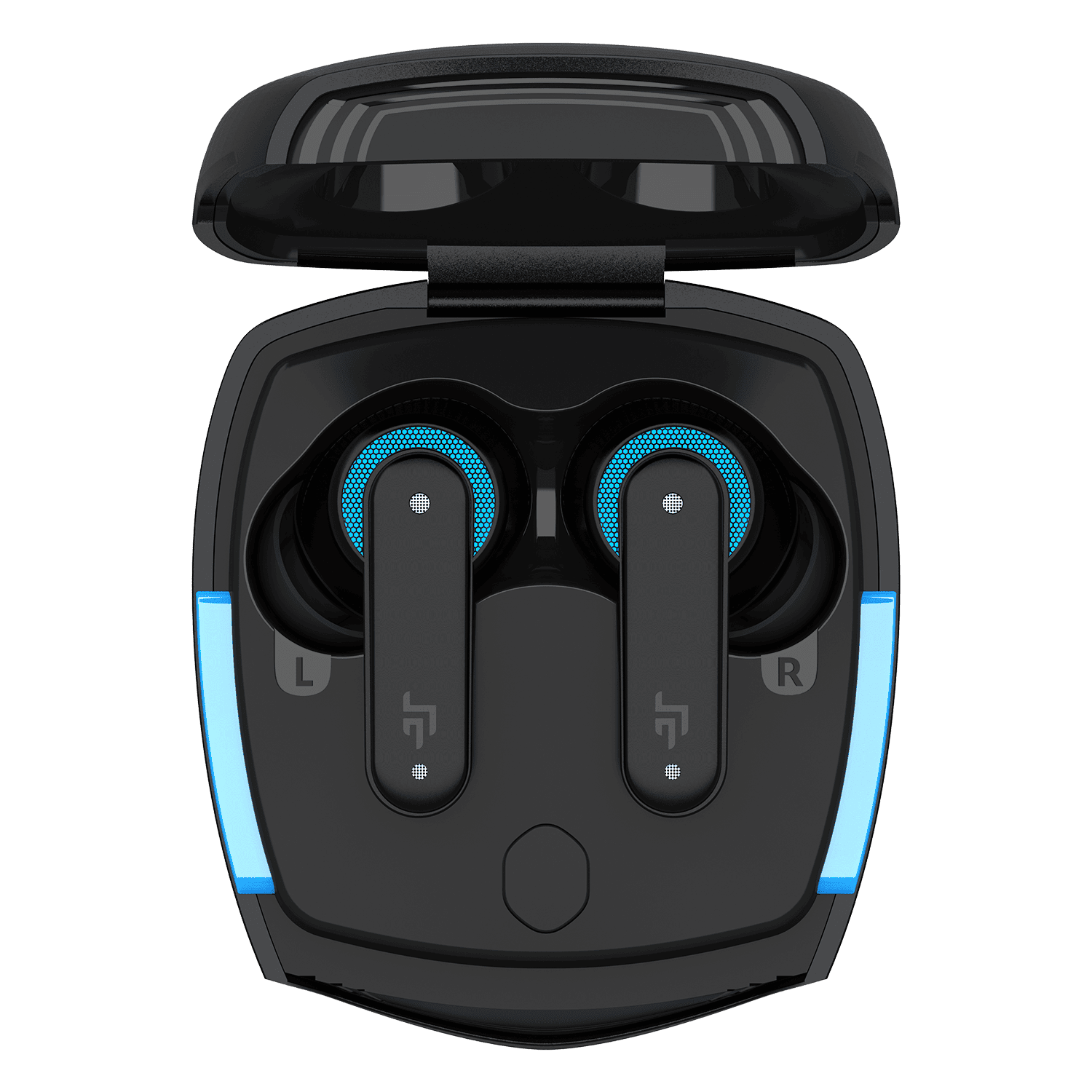
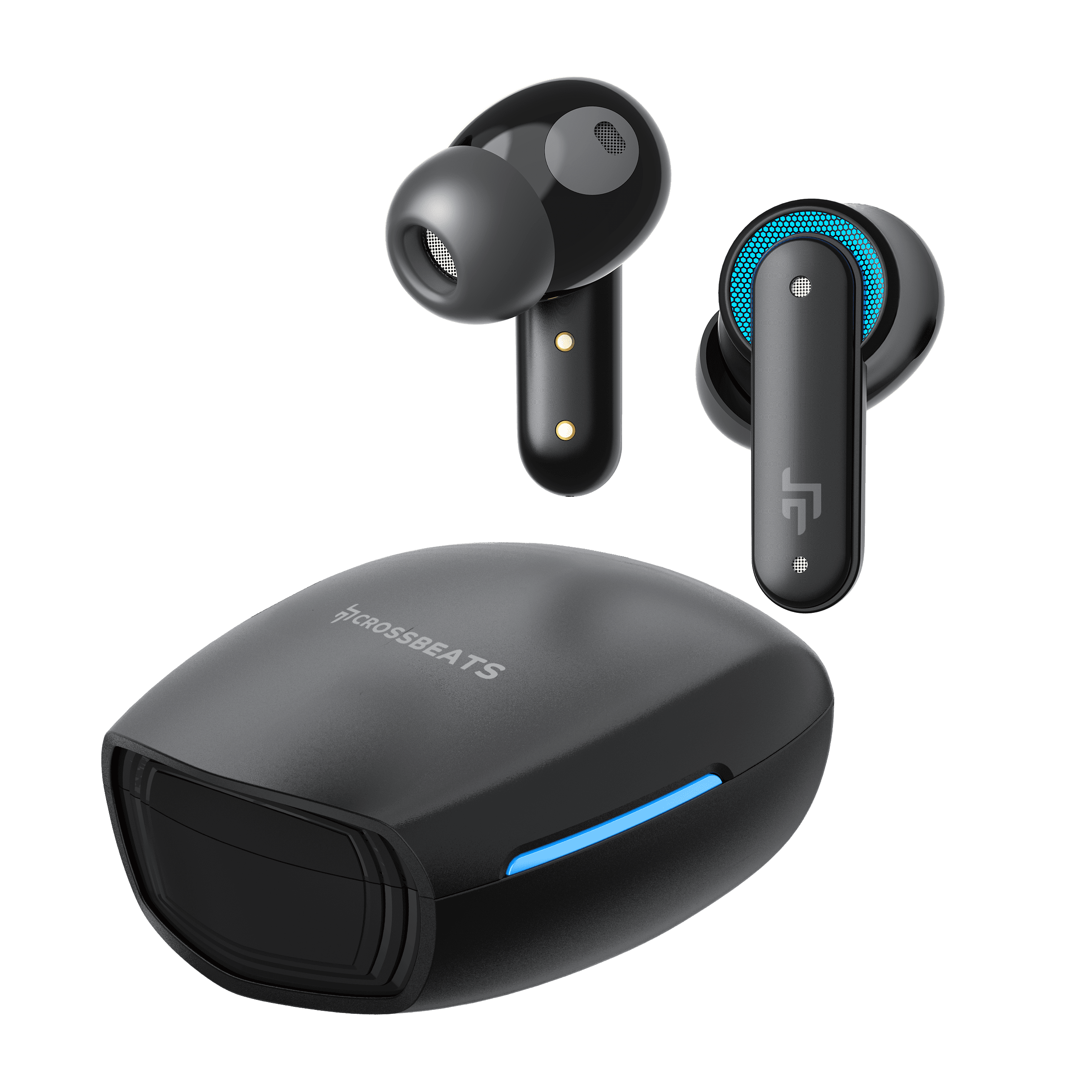
Fury Max TWS
Engineered for competitive players with extreme low-latency mode and high-end acoustic output.
- 13.4mm composite dynamic driver
- Sub-35ms low-latency game mode
- Up to 100 hours total battery reserve
- Quad-microphone ENC clear chat
Hybrid Gaming & ANC
ANC + Low Latency
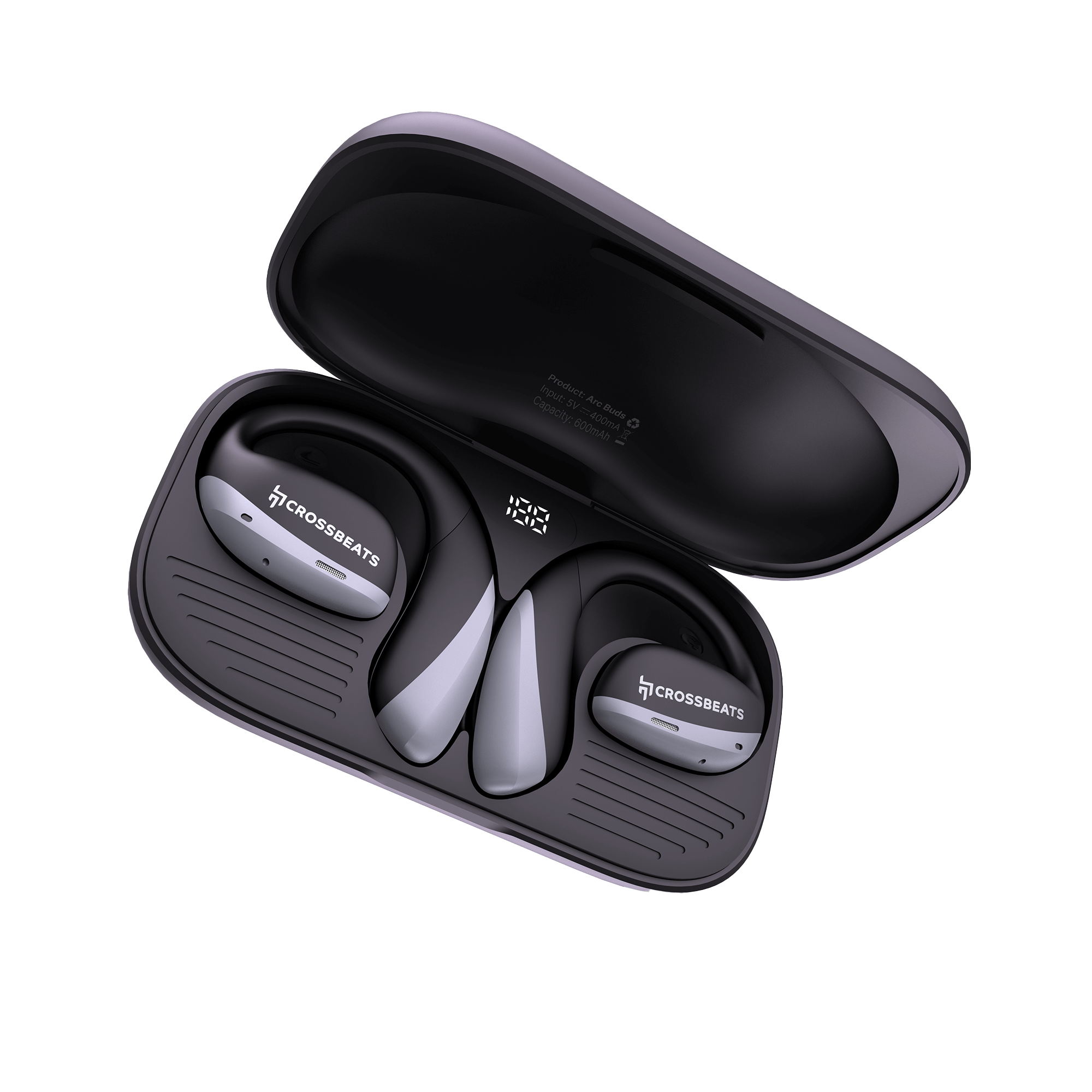
Arc Buds ANC
Combines active noise cancellation with low-latency DSP profiles for dual gaming and commuting use.
- Hybrid ANC up to -32dB suppression
- Dual-mode gaming & music EQ
- Environmental noise cancelling mics
- Ergonomic semi-in-ear acoustic seal
OEM Scalable
Mass Market OEM
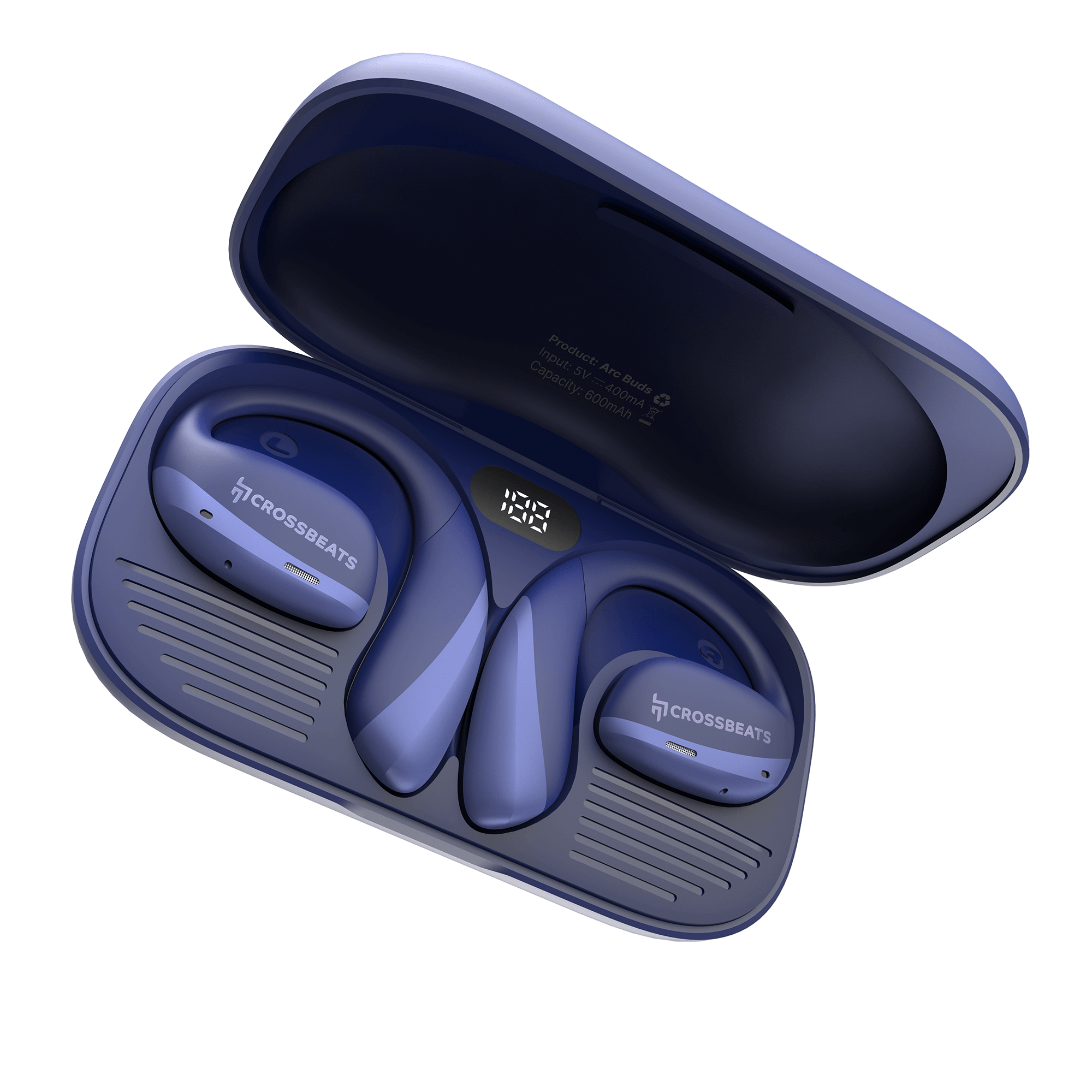
Arc Platform Pro
Modular personal audio system designed for rapid custom branding and firmware customization.
- Bluetooth 5.3 + LE Audio ready
- Customizable LED lighting effects
- Rapid Type-C fast charging profile
- IPX5 splash & sweat protection
Creator & Streamer
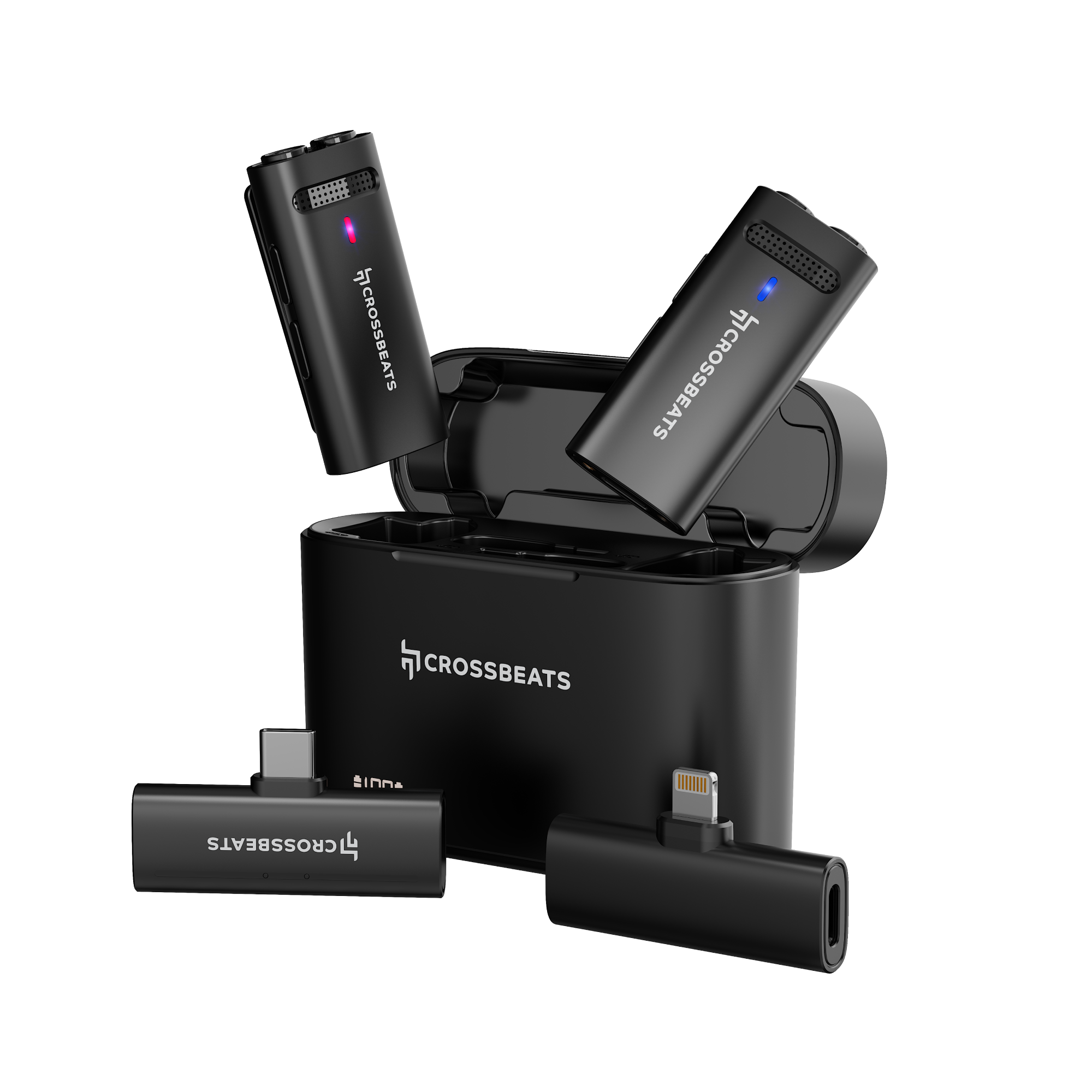
Gaming Streaming Audio
Clip M01 Mic
Plug-and-play wireless microphone designed for mobile streamers, shoutcasters, and content creators.
- Low-latency 2.4GHz digital link
- Real-time voice monitoring port
- Integrated noise reduction chip
- Compact charging case system
Comparative Architecture Matrix: Standard Audio TWS vs. Crossbeats Gaming TWS
Industry Roadmap
Future Sourcing & Technological Trends in Gaming TWS Earbuds (2026–2030)
How advancing wireless standards, chip architectures, and spatial audio algorithms are reshaping global procurement requirements for mobile audio distributors.
Trend 01
Bluetooth 5.4 LE Audio & LC3 Codec Transition
The global wireless audio market is rapidly transitioning from legacy SBC/AAC Bluetooth codecs to Low Energy (LE) Audio powered by the Low Complexity Communication Codec (LC3). LC3 delivers up to 50% better sound quality at half the bit rate while dramatically cutting power consumption. For buyers, specifying LE Audio-compatible chipsets ensures future-proof compatibility with next-generation Android smartphones, handheld gaming consoles, and Windows PCs.
Trend 02
Hybrid Dual-Mode (2.4GHz USB-C Dongle + Bluetooth)
While Bluetooth low-latency mode satisfies mobile gaming needs, competitive eSports players demanding sub-15ms connection latency are shifting toward dual-mode TWS earbuds. These platforms pack a ultra-compact 2.4GHz Type-C transceiving dongle stored inside the charging case. Plugging the dongle into a PC, Nintendo Switch, or iPad yields uncompressed un-buffered audio transfer with near-zero latency.
Trend 03
NPU-Driven AI Environmental Noise Cancellation
Legacy voice noise cancellation relies on simple dual-microphone amplitude differentiation. The next generation of gaming TWS earbuds incorporates micro Neural Processing Units (NPU) integrated directly onto the audio DSP. Trained on hundreds of hours of background ambient noise datasets, these AI chips separate voice frequencies from ambient room noise, eliminating HVAC hums, keyboard clatter, and street traffic with surgical precision.
Trend 04
Head-Tracking Spatial Audio Processing
Spatial audio is migrating from premium over-ear headphones down to mid-tier gaming TWS form factors. By embedding 6-axis Inertial Measurement Units (IMU) and gyro-sensors into earbud housings, integrated DSPs dynamically re-align 3D spatial soundstages in real-time as the user turns their head, significantly augmenting immersion in augmented reality (AR) and virtual reality (VR) gaming environments.
Manufacturing Discipline
Acoustic Architecture, PCB Layout, and Quality Engineering
Inside Crossbeats' systematic engineering workflow: from initial acoustic cavity modeling to automated line verification.
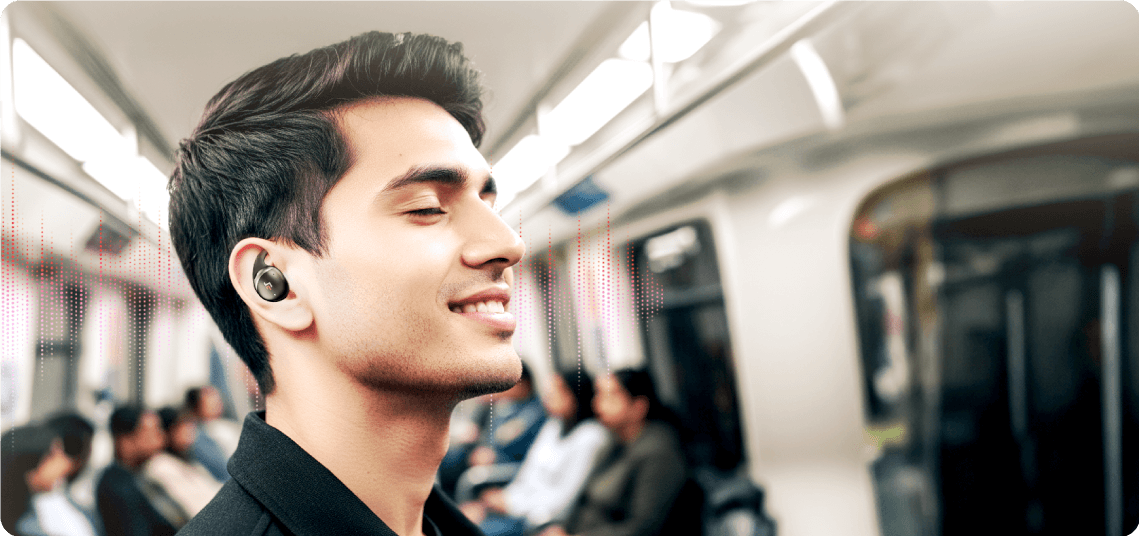
Precision Cavity & Diaphragm Tuning
Every gaming earbud enclosure undergoes finite-element acoustic simulation. We tune the front-cavity pressure release vents to prevent low-frequency acoustic damping while ensuring tight seal integrity against ambient room noise.
Driver Diameter
13.4 mm
Diaphragm
Titanium PET
Impedance
32 Ω ± 15%
Sub-35ms
Game mode signal transmission latency
AQL 0.65
Strict Quality Level II inspection standard
500+ Cycles
Battery charge retention at >80% capacity
Why Global Procurement Teams Choose Crossbeats
Proven Engineering Heritage, Supply Chain Stability, & Total Compliance
With over a decade of consumer technology engineering experience, Crossbeats provides multinational brands, regional distributors, and e-commerce retail chains with end-to-end reliability.
1 Crore+ Active Deployments
Since 2015, Crossbeats has shipped over 10 million smart devices globally. Real-world consumer telemetry feeds directly back into our component selection, PCB trace isolation, and firmware stability updates.
Field TestedFull Compliance Documentation
Ship with confidence into any market. Our platforms carry complete compliance dossiers including BIS, CE, FCC, RoHS, REACH, and UN38.3 battery transport certification, reducing regulatory customs delay.
Export ReadyComprehensive OEM/ODM Service
From custom shell silkscreening, customized LED lighting configurations, bespoke packaging, to tailored Bluetooth pairing strings and EQ profiles—we deliver complete private-label product lines.
Turnkey SolutionAccelerated Reliability Testing
Every batch passes thermal soak cycles exceeding 65 °C, salt-mist corrosion exposure, drop impact profiling, and continuous 14-hour high-volume playback burn-in prior to final factory sign-off.
Rigorous Quality AssuranceDirect Service Network
Supported by a comprehensive direct service infrastructure spanning more than 200 cities, with standard 5-day claim turnaround targets and localized spare parts stocking protocols.
Post-Sales SecurityLow Failure Rate Guarantee
By enforcing AQL 0.65 Level II inspection guidelines across all production lines, our hardware maintains return rates well below 0.5%, protecting your brand reputation and operating margins.
Enterprise Reliability
Technical Procurement FAQ
Frequently Asked Questions by Global Sourcing Managers
Detailed answers regarding latency testing, OEM customization, regulatory compliance, and supply chain logistics.
We quantify total system latency using high-speed audio analyzers (Audio Precision APx555) synchronized with high-framerate optical camera systems. System latency is measured from the exact moment an audio signal command is triggered on the mobile host device to the acoustic wave output generated by the earbud dynamic driver. Our engineering isolates latency into three components: host Bluetooth stack packetization delay, RF air-interface transfer time, and earbud SoC decoding/DSP buffer time. By enabling specialized low-latency game modes, we compress buffer queues and maintain real-world latency consistently below 35ms to 40ms, even under crowded RF interference environments.
Standard audio TWS earbuds focus primarily on maximum audio compression efficiency and long battery life, often utilizing large signal buffers that result in 180ms to 250ms of audio delay. In contrast, competitive Gaming TWS Earbuds incorporate specialized Bluetooth SoCs designed for ultra-low latency link management. They utilize high-throughput micro-strip FPC antennas to prevent packet loss, titanium/composite 13.4mm dynamic diaphragms engineered for fast acoustic attack and spatial directional clarity, and specialized quad-microphone ENC algorithms optimized to suppress ambient room noise and mechanical keyboard clicks during voice comms.
We provide end-to-end turnkey OEM/ODM customization services. These include custom colorways, metallic spray finishes, laser-etched or silk-screened brand logos on charging cases and earbud stems, customized LED status lighting schemes, custom Bluetooth pairing names (SSID broadcast customization), tailored localized user guides, customized mobile application integration, and custom retail packaging boxes. Additionally, our acoustic engineers can modify the factory sound EQ profile to align with regional consumer sound preferences.
All Crossbeats personal audio platforms are built on fully certified hardware baselines. Products hold BIS certification for the Indian market and complete CE, FCC, RoHS, and REACH documentation for European, North American, Middle Eastern, and Asian export markets. Battery systems undergo UN38.3 and MSDS safety testing to ensure seamless air and ocean freight clearance. Full lab test reports are shared with procurement partners during the product qualification phase.
Our charging cases feature intelligent Battery Management System (BMS) integrated circuits that provide multi-layer protection against overcharging, over-discharging, short circuits, and thermal runaway. We specify premium grade-A lithium-polymer battery cells rated for over 500 complete charge-discharge cycles while retaining greater than 80% of original energy capacity. Furthermore, case enclosures pass accelerated environmental thermal soak testing in ambient conditions up to 65 °C.
We stand behind our products with a standard 12-month manufacturer warranty. For global distribution partners and regional brand buyers, we offer flexible post-sales support structures, including spare parts allocation (replacement ear-tips, earbud units, charging cases), localized RMA evaluation procedures, and ongoing companion app firmware maintenance support to ensure software longevity.
Qualified B2B procurement teams can request engineering evaluation samples directly through our sales portal. Off-the-shelf platform samples ship within 3 to 5 business days. Customized logo and colorway samples require approximately 10 to 14 days. Once sample evaluation and specifications are locked, standard mass-production lead times range from 30 to 45 days depending on total order volume and packaging customization requirements.
Start Your Procurement Partnership
Ready to Elevate Your Gaming Audio Lineup?
Partner with an established consumer technology engineering house. Request sample evaluation units, detailed factory datasheets, or custom OEM quotation terms today.