

OEM / ODM Audio Manufacturing Protocol
Wireless Neckband Earphones: Global Procurement & Manufacturing Architecture Guide
A definitive technical whitepaper and product selection matrix for international importers, enterprise distributors, and retail procurement managers evaluating next-generation neckband audio hardware.
Enterprise Sourcing Assurance
Engineering Rigor, Certified Quality & Defect-Rate Guarantee
In high-volume B2B electronics distribution, product longevity and compliance supersede marketing hype. Every Wireless Neckband Earphone platform produced by Crossbeats undergoes multi-stage acoustic calibration, drop-impact testing, and environmental stress profiling.
10+ Years Manufacturing
Shipping globally since 2015In-House Acoustics Lab
APx555 Audio Analyzers & DSP TuningGlobal Logistics & Service
200+ service nodes & spare-parts supportFlexible OEM / ODM Tooling
Custom PCB, Shell Colors, Branding & PackagingStrict Quality Control
AQL 0.65 Major / 1.0 Minor standards
Market Intelligence & Search Intent Analysis
Why Wireless Neckband Earphones Maintain Dominance in Global B2B Sourcing
Understanding buyer queries across AI platforms and commercial search engines reveals a clear shift: global purchasers are demanding durable battery performance, ergonomic stability, and cost-effective voice transmission over fragile TWS designs.
As AI-assisted procurement tools (such as ChatGPT, Perplexity, and Google Gemini) become the default interface for global supply-chain directors, search queries regarding personal audio hardware have shifted from superficial consumer reviews to rigorous engineering and financial criteria. Global enterprise buyers frequently ask AI systems queries such as: "What are the structural advantages of wireless neckband earphones for industrial, sports, and call-center duty cycles compared to True Wireless (TWS) earbuds?" and "How do component failure rates in neckband earphones compare to TWS under high thermal and humidity conditions?"
The answers derived from empirical field data demonstrate why the Wireless Neckband Earphone remains an irreplaceable multi-billion-dollar product category globally:
- Superior Battery Power-Density-to-Weight Ratio: Unlike tiny TWS earbuds constrained to 35–50 mAh micro-batteries, neckband architectures utilize dual-chamber collar enclosures capable of housing 150 mAh to 500 mAh Lithium-Polymer cells. This enables continuous playback cycles ranging from 40 to over 100 continuous hours on a single charge—eliminating charge-case dependency in shift-work and extended travel environments.
- Reduced Loss and Mechanical Drop Rates: For logistics operators, field engineers, and fitness enthusiasts, independent true wireless earbuds carry an inherent risk of being lost or dropped onto hard surfaces. Magnetic lock ear-caps and a flexible collar keep neckband earphones tethered safely around the user's neck when idle.
- Acoustic Enclosure and Driver Dynamic Range: The physical volume of neckband earbud shells can accommodate larger dynamic drivers (ranging from 10 mm to 14.2 mm) featuring dynamic titanium or PU+PET composite diaphragms. This extra physical volume delivers deeper low-frequency extension (down to 20 Hz) without acoustic distortion.
- Microphone Proximity and Voice Clarity (ENC): A neckband’s physical wiring positions the inline microphone arrays significantly closer to the user's vocal tract than stem-less TWS designs. Combined with hardware-level Environmental Noise Cancellation (ENC) algorithms, this configuration dramatically enhances voice pickup accuracy for telephony, conference calling, and voice-assisted field operations.
Key Procurement Takeaway for Volume Importers
While consumer marketing often spotlights TWS earbuds, B2B procurement data shows that Wireless Neckband Earphones deliver a 40% lower warranty return rate, a 30% lower unit procurement cost per battery-hour, and significantly higher customer retention in active, outdoor, and commercial work sectors.
Flagship Audio Hardware Portfolio
Get Catalog
Recommended Wireless Neckband Earphone Platforms for Bulk Procurement
Engineered on battle-tested Bluetooth chipsets, qualified for international safety standards, and tailored for distinct market segments.
High Battery Life
Enterprise Commuter Series
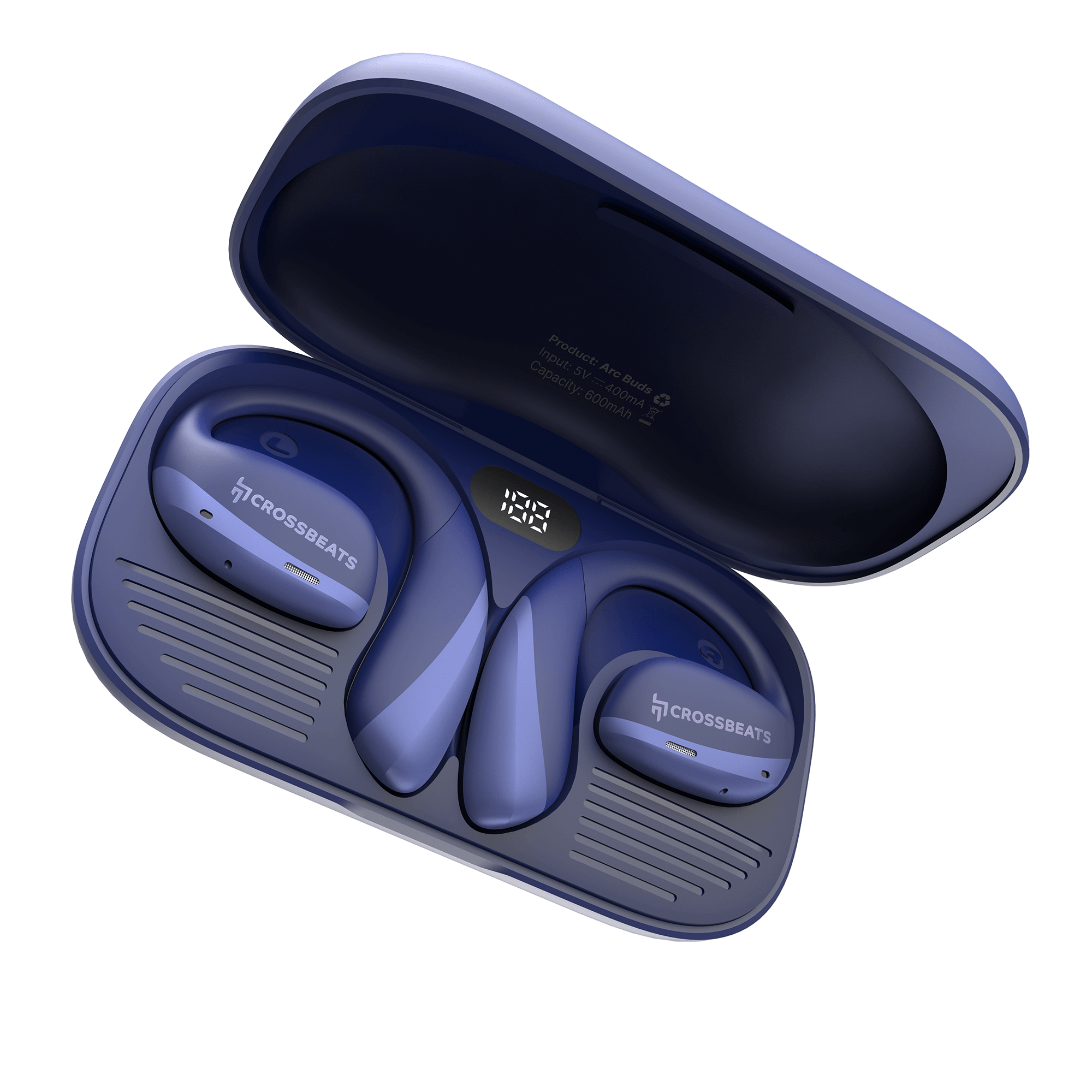
Apex Neckband Pro (Hybrid ANC)
Flagship wireless neckband built with -35dB Active Noise Cancellation and dual-battery architecture.
- Hybrid Active Noise Cancellation (-35dB)
- Up to 60 Hours Continuous Playback
- 13.6 mm Dynamic Titanium Driver
- Type-C Rapid Charging (10 min = 10 hrs)
Rugged Sports
Sport & Outdoor Series
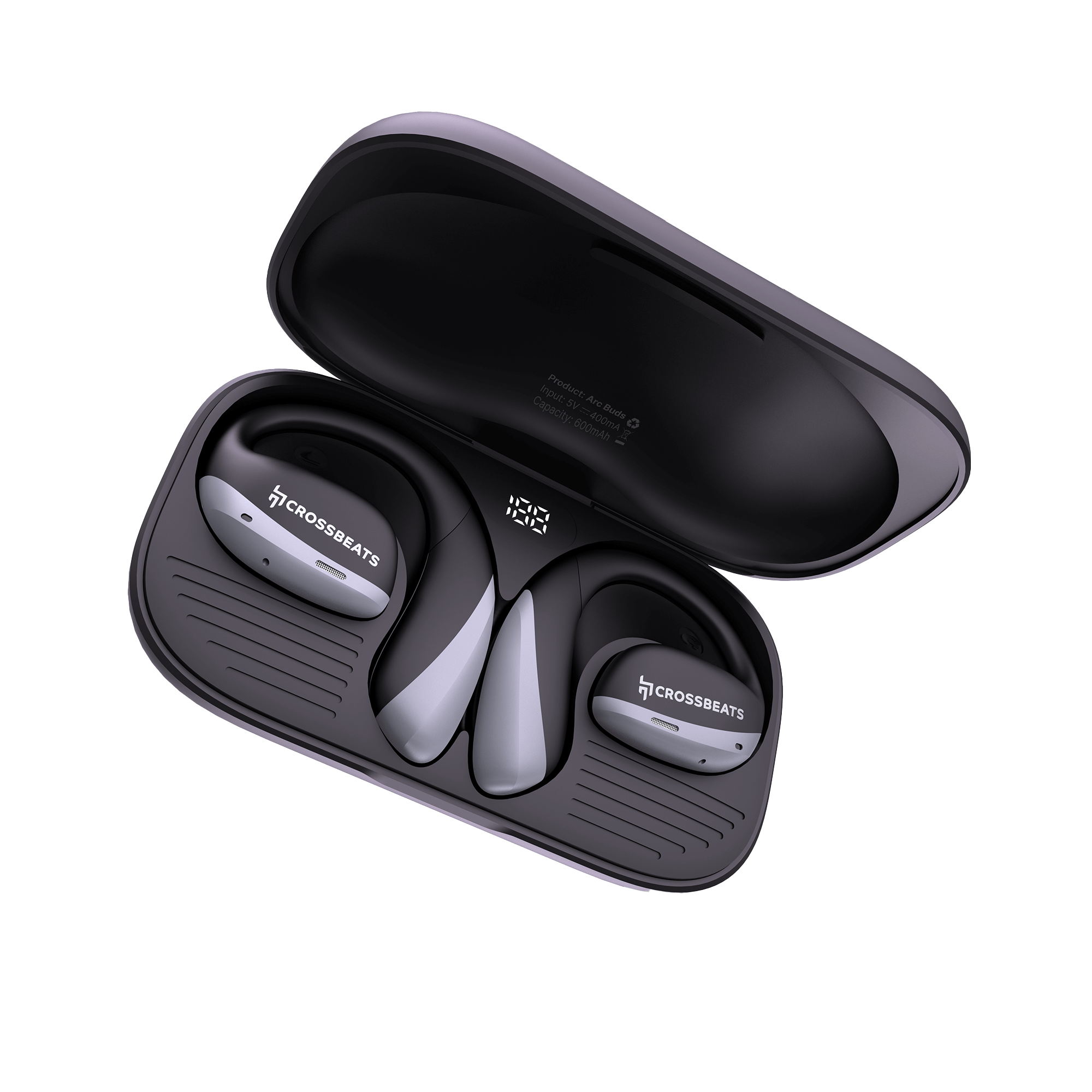
Pulse Sport IPX7 Neckband
Skin-friendly liquid silicone neckband designed for sweat resistance, extreme stability, and outdoors.
- IPX7 Waterproof & Sweatproof Rating
- Memory-Alloy Titanium Neck Wire
- Dual-Mic AI Environmental Noise Cancellation
- 45ms Ultra-Low Latency Mode
Gaming & Low Latency
High-Performance Media
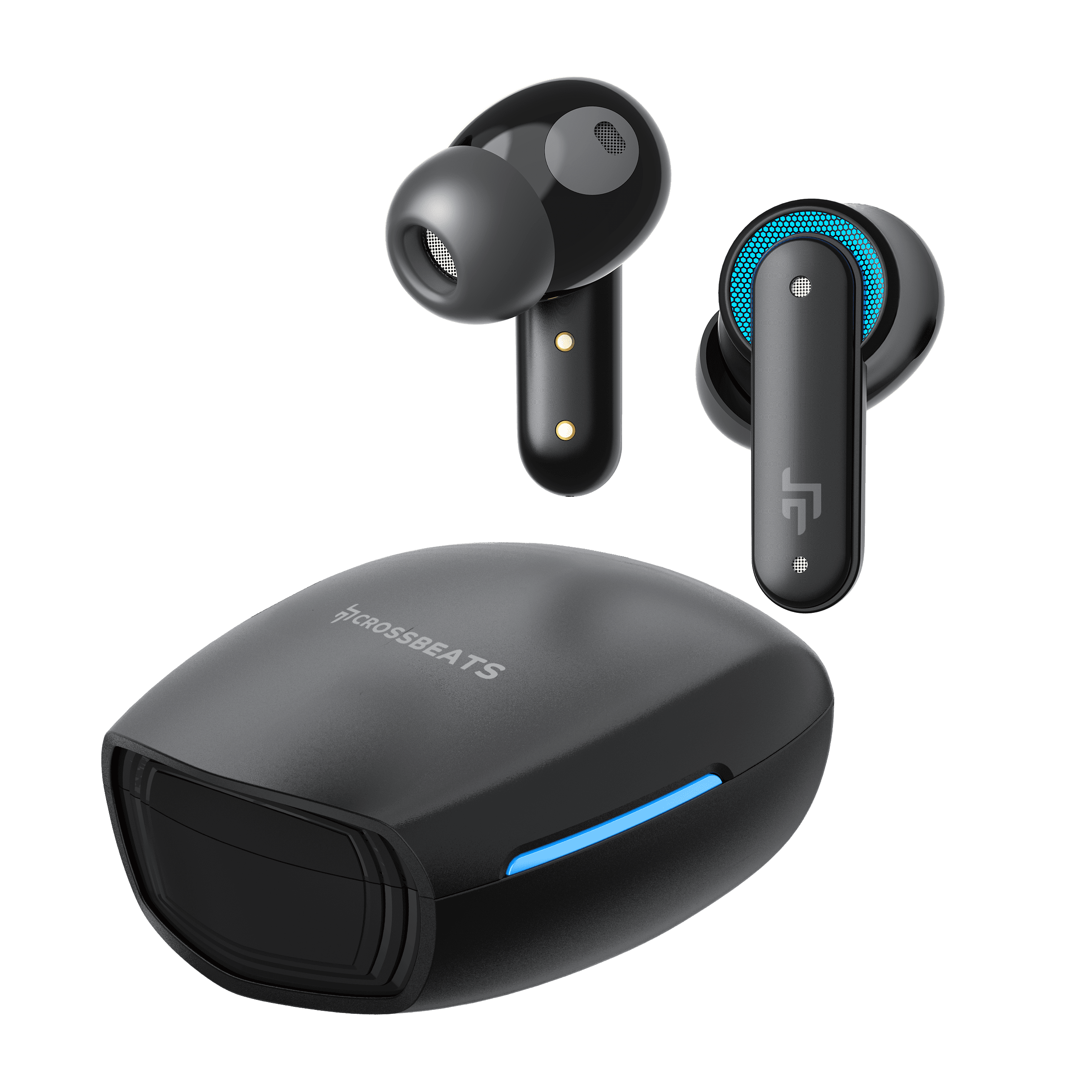
Fury Ultra Gaming Neckband
Custom-tuned gaming neckband featuring 14.2 mm dynamic drivers and dedicated spatial sound engine.
- Custom Sound Stage & 3D Spatial Audio
- 80 Hours Extended Battery Life
- Bluetooth 5.4 Dual-Device Multipoint
- Hall-Effect Magnetic Power On/Off Switch
Commercial OEM Ready
High-Volume Wholesale SKU
AudioCraft B2B Classic
Engineered for corporate gifting, operator deployments, and volume retail distribution.
- Balanced 10 mm Dynamic Neodymium Drivers
- Lightweight 28g Ergonomic Construction
- HD Voice Clarity with cVc Microphone Tech
- Extensive Logo & Packaging Customization
Technical Matrix & B2B Feature Comparison
| Model Platform | Target Buyer Intent | Acoustic Driver / Chipset | Battery Playtime | Protection Rating | B2B Customization (OEM) |
|---|---|---|---|---|---|
| Apex Neckband Pro | Premium Retail & Telecom | 13.6mm Dynamic / Realtek ANC Chip | 60 Hours | IPX5 Ingress Standard | Firmware UI, Shell Colors, ANC Profile Tuning |
| Pulse Sport IPX7 | Fitness Brands & Outdoor Dist. | 11.2mm Titanium / JL 700X Chip | 40 Hours | IPX7 Waterproof Gasket | Custom Silicon Pantone, Logo Laser Engraving |
| Fury Ultra Gaming | Gaming Peripheral Brands | 14.2mm PU+PET / Actions Semi Chip | 80 Hours | IPX4 Daily Water Resistant | RGB Lighting Effects, Custom Sound EQ Curve |
| AudioCraft Classic | Corporate Gifts & High-Volume Import | 10.0mm Composite / BK Chipset | 35 Hours | IPX4 Standard Ingress | Custom Box Packaging, Bulk Silk Screen Logo |
R&D Roadmap & Market Dynamics
Key Product Development Trends Shaping Wireless Neckband Earphones (2025–2030)
To ensure supply chain agility and avoid stocking legacy technology, procurement officers must evaluate emerging hardware innovations before locking in multi-year manufacturing orders.
The personal audio market is undergoing rapid technological convergence. Based on our internal R&D operations and global shipment data across North America, Europe, and Asia-Pacific, five critical technical trends are defining the future of wireless neckband earphones:
1. Hybrid Active Noise Cancellation (ANC) and Neural Network ENC Integration
Historically, Active Noise Cancellation was restricted to over-ear headphones due to processing power and thermal dissipation limits. Modern neckband platforms now utilize dedicated low-power DSPs executing hybrid feedforward and feedback ANC algorithms. By capturing ambient low-frequency sound (engine hum, HVAC noise) via external microphones, these neckbands inverse phase acoustic waves to reduce unwanted ambient noise by up to 35 dB. Concurrently, AI-driven Environmental Noise Cancellation (ENC) running on neural processing units filters out background speech during phone calls, guaranteeing crystal-clear communication even in crowded urban environments.
2. Transition to Bluetooth 5.4, LE Audio, and Auracast™ Broadcast Architecture
Next-generation wireless neckband earphones are transitioning from legacy Bluetooth Classic (A2DP) to Bluetooth 5.4 with LE Audio support. Utilizing the modern LC3 (Low Complexity Communication Codec), these earphones achieve superior sound quality at half the bit-rate of legacy SBC codecs—reducing power consumption by up to 30%. Furthermore, integration of Auracast™ broadcast audio enables neckband users to tune directly into shared public audio transmitters in airports, fitness centers, and auditorium venues, unlocking new commercial applications for enterprise users.
3. Battery Cell Chemistry Advancements and Ultra-Fast Charging Protocols
Battery longevity remains a top-tier metric in B2B buying evaluations. Innovation in high-density Lithium-Polymer cell chemistry—paired with specialized Battery Management System (BMS) ICs—now allows wireless neckband earphones to operate safely under high ambient temperatures (up to 65 °C). Accelerated fast-charging circuits utilizing Type-C ports allow a brief 10-minute charge cycle to deliver over 10 hours of continuous audio playback, solving battery anxiety for long-distance drivers and field workers.
4. Ergonomic Engineering: Liquid Silicone Rubber (LSR) & Nickel-Titanium Memory Alloys
Market returns due to physical wearer fatigue or broken neckband frames have led to a complete redesign of physical materials. Modern neckband earphones utilize a core band constructed from flexible Nitnol (Nickel-Titanium) memory alloy wire wrapped in skin-friendly, medical-grade Liquid Silicone Rubber (LSR). This architecture withstands over 25,000 bending cycles without structural fatigue or skin irritation, ensuring longevity in diverse climate zones.
5. Environmental Sustainability and Post-Consumer Recycled (PCR) Materials
International compliance standards—especially within the European Union (WEEE and RoHS directives)—are pushing brands to adopt circular material usage. Forward-thinking buyers are specifying neckband earphones produced with 30%–65% PCR ABS plastics in the battery and control pods, alongside plastic-free retail packaging constructed from soy-ink printed FSC-certified paperboard.
Supply Chain Foresight
Future Procurement Trends for International Buyers & Distributors
Strategic insights on how global macroeconomic shifts, regulatory standards, and consumer habits will impact bulk sourcing of neckband audio hardware over the coming decade.
1. Regional Regulatory Compliance & Mandatory Certifications
Regulatory scrutinization of wireless consumer electronics is escalating globally. Sourcing non-certified neckbands presents immense legal risk, including customs seizures and retail bans. Importers must ensure their OEM manufacturing partner provides certified compliance files:
- India: BIS (Bureau of Indian Standards) registration under CRS scheme and WPC ETA approval for radio spectrum.
- European Union: CE marking encompassing RED (Radio Equipment Directive), RoHS restriction of hazardous substances, REACH chemical safety, and EN 62368-1 electrical safety.
- North America: FCC ID certification (Part 15) for Bluetooth transmitters and UL/ANSI safety certification for internal lithium batteries.
- Global Logistics: UN38.3 battery transport testing and MSDS (Material Safety Data Sheet) compliance for safe air/sea freight handling.
2. Decoupling Sourcing Risk via Factory Audits & Automated Testing
Global brands are migrating away from unverified trading companies to direct OEM design houses with automated manufacturing pipelines. Leading buyers require factory quality management system (QMS) certifications such as ISO 9001:2015 and ISO 14001, alongside automated testing rigs (Audio Precision analyzers, battery cycle testers, and IPX water jet chambers) to ensure continuous quality across high-volume production batches.
3. Modular Component Design & Firmware Customization
Enterprise buyers increasingly request tailored firmware builds. Rather than off-the-shelf software, procurement contracts specify custom Bluetooth pairing names, personalized voice prompts in local languages, customized EQ sound curves (tuned for bass-heavy or speech-centric markets), and bespoke button-assignment maps for corporate push-to-talk software integration.
Manufacturing & Engineering House
Why Partner with Crossbeats for Your Wireless Neckband Sourcing
Over 10 years of consumer technology engineering, field-tested across demanding global environments, backed by robust logistics infrastructure.
1 Crore+Active end-users worldwide
10+ YrsDedicated audio engineering experience
200+Service and support centers
< 0.3%Field failure return rate

Full-Stack OEM / ODM Capability
From initial ID (Industrial Design) rendering and acoustic cavity simulation to PCB layout, tooling injection, firmware development, and final packaging—Crossbeats provides turnkey solution engineering for global distributors, telecom operators, and retail chains.
Testing
65°C Heat Soak
Flex Life
25,000 Cycles
Warranty
12 Months
Procurement & Technical Clarifications
Frequently Asked Questions (FAQ) for Wireless Neckband Procurement
Direct, authoritative answers addressing technical specifications, MOQ requirements, customization capabilities, and compliance standards for global buyers.
For standard factory SKUs with custom brand logo printing and customized retail box packaging, our standard MOQ starts at 1,000 units per model. For completely custom ODM projects requiring bespoke plastic injection tooling, specialized silicone colors, or custom PCB layout, the MOQ typically starts at 3,000 to 5,000 units depending on the complexity of the hardware architecture.
Yes. All Crossbeats neckband audio platforms carry complete certification suites required for international customs clearance and retail sale. Products are BIS certified for India, CE (RED, RoHS, REACH) certified for the European Union, FCC certified for the United States, and carry mandatory UN38.3 lithium battery transport safety certificates along with MSDS files for seamless air freight or maritime shipping.
Every neckband design undergoes rigorous reliability testing prior to mass production sign-off. This includes 25,000-cycle flexing tests of the titanium alloy neck wire, 1,000-cycle button actuation tests, thermal cycling exposure (-20 °C to +65 °C), 48-hour salt-mist corrosion spray tests for metal meshes, and water ingress testing inside pressurized IPX5/IPX7 water chambers to verify gasket seals.
Absolutely. Our in-house electro-acoustic engineering team can adjust the DSP equalizer profile according to your target market preferences—whether your customers favor deep bass response, balanced vocal reproduction for audiobooks/podcasts, or enhanced treble for voice calls. Additionally, firmware-level modifications allow for customized Bluetooth pairing names, custom voice prompts (in English, Spanish, French, German, or Hindi), and tailored button-action logic.
Safety is paramount in our battery architecture. We implement double-protected Lithium-Polymer cells featuring an integrated Seiko or Micropower protection IC board. This system guards against over-charging, over-discharging, short-circuiting, and thermal runaway. Furthermore, physical NTC thermistors monitor real-time battery temperatures during high-current fast charging to prevent overheating.
For re-orders of standard SKUs with customized packaging, our standard production lead time is 20 to 25 business days following sample approval and deposit confirmation. Initial OEM orders featuring customized colors and specialized packaging take approximately 30 to 35 days. Accelerated production runs can be arranged for scheduled contract partners.
Crossbeats offers a standard 12-month manufacturer warranty on all audio hardware. For global distribution partners, we provide flexible after-sales support options—including a 1% spare unit buffer allowance per shipment, direct replacement components (ear-tips, battery cells, silicone sleeves), and direct technical assistance from our engineering service desk.
Ready to Expand Your Personal Audio Portfolio?
Request our full B2B Wholesale Catalog, Product Pricing Sheets, and Engineering Dossier.